Back to Blogs

Understanding Dental Bone Grafting in Austin

Discover how dental bone grafting in Austin can build a strong foundation for your smile with Dr. Arzegar's expert care.

May 8, 2026
2 min read
Back to Blogs

Understanding Dental Bone Grafting in Austin

Discover how dental bone grafting in Austin can build a strong foundation for your smile with Dr. Arzegar's expert care.

May 8, 2026
2 min read

Jason's Lingering Doubts About Missing Teeth

Jason often caught himself covering his mouth when he laughed, a habit he'd developed ever since he lost a back molar a few months ago. It wasn't just the visible gap when he smiled; it was the hollowness it left in his confidence. He’d initially thought little of it, but now even chewing felt a bit off, and he worried about how it might affect his other teeth over time. His friend Cody had mentioned dental implants, but Jason couldn't shake the feeling that his situation was complicated.

He remembered a conversation with his sister, Kayla, who had similar concerns after losing a tooth. She’d hinted at needing something called bone grafting before her implant. The idea sounded daunting, almost surgical, and Jason found himself procrastinating scheduling an appointment. He just wanted to know if he could get a straightforward solution, or if more complex procedures awaited him.

The endless online searches only added to his anxiety. Terms like "bone loss," "ridge augmentation," and "sinus lift" swirled in his mind, making him feel overwhelmed. He yearned for clear, straightforward answers from a trusted source, a place where he could understand his options without all the medical jargon.

The First Step: A Consult with Dr. Arzegar

Finally, spurred on by Cody's gentle urging, Jason decided to take the plunge and call Lifetime Smiles Cosmetic Dentistry. He’d heard good things about Dr. Arzegar from colleagues, praising his patient-centered approach and clear explanations. Booking the consultation was surprisingly easy, and he felt a small knot of tension begin to loosen in his chest. This was it – the first real step towards addressing his concerns.

During his initial appointment, Dr. Arzegar greeted him warmly, instantly putting him at ease. Jason explained his apprehension about the missing tooth and his vague understanding of bone grafting. Dr. Arzegar listened intently, asking clarifying questions that made Jason feel genuinely heard, not just another case file.

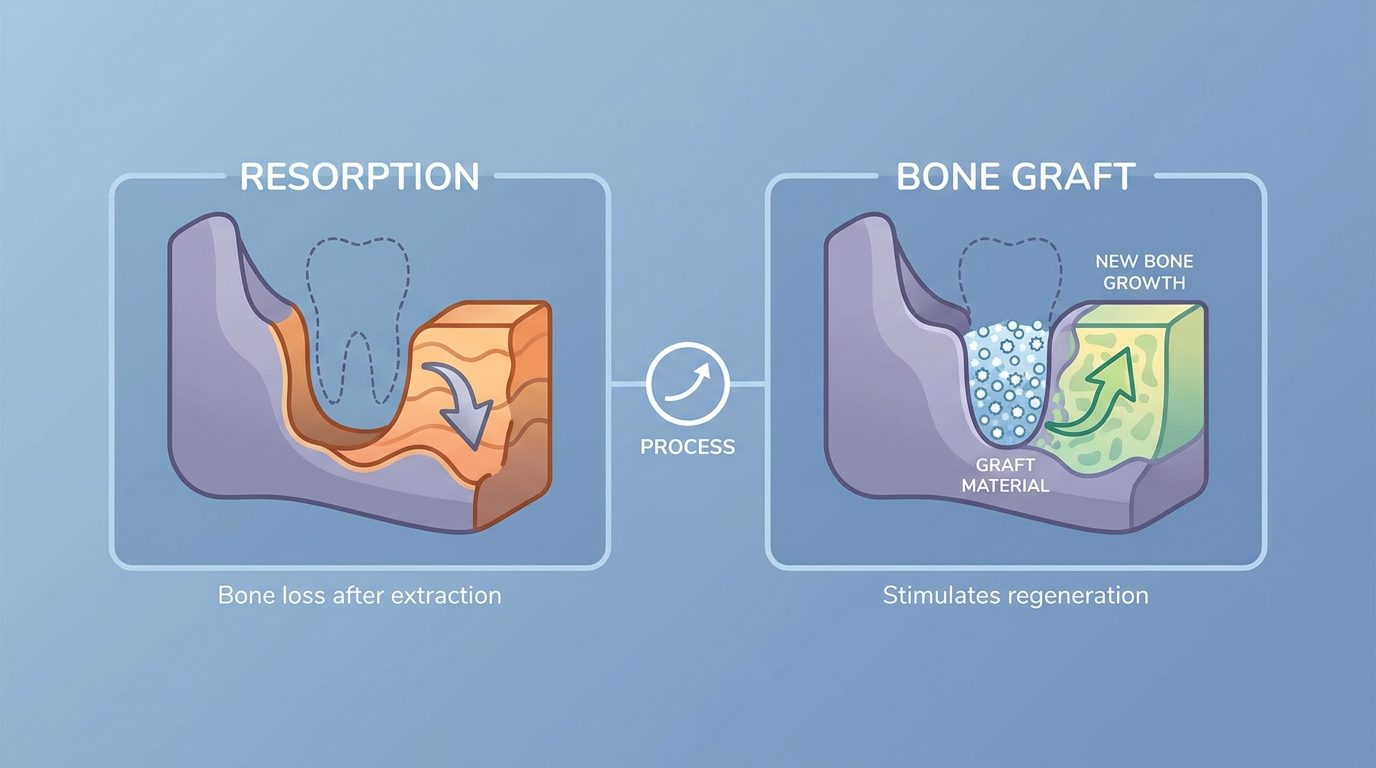
Dr. Arzegar then used visual aids to explain the importance of a strong jawbone for supporting dental implants. He showed Jason how bone naturally recedes after tooth loss if not stimulated, emphasizing that this isn't uncommon and is perfectly treatable. He assured Jason they would explore all possibilities to restore his smile effectively.

Understanding Bone Grafting: A Foundation for Implants

Dr. Arzegar explained that over time, without the root of a tooth stimulating the jawbone, the bone in that area can shrink, a process known as bone resorption. This can create an insufficient foundation for a dental implant. "Think of it like building a house," Dr. Arzegar illustrated, "you need a strong, stable foundation before you can erect the walls."

He elaborated on dental bone grafting, describing it as a procedure to rebuild this lost bone structure. It involves placing bone material, which could come from various sources, into the area that needs augmentation. This material acts as a scaffold, encouraging your body to grow new, healthy bone cells around it.

Jason’s anxiety began to lessen as Dr. Arzegar detailed the process. It wasn't as mysterious (or as painful-sounding) as he'd imagined. The ultimate goal is to create enough robust bone to securely anchor an implant, ensuring its long-term stability and success for dental implant procedures.

Different Types of Bone Grafts for Jason

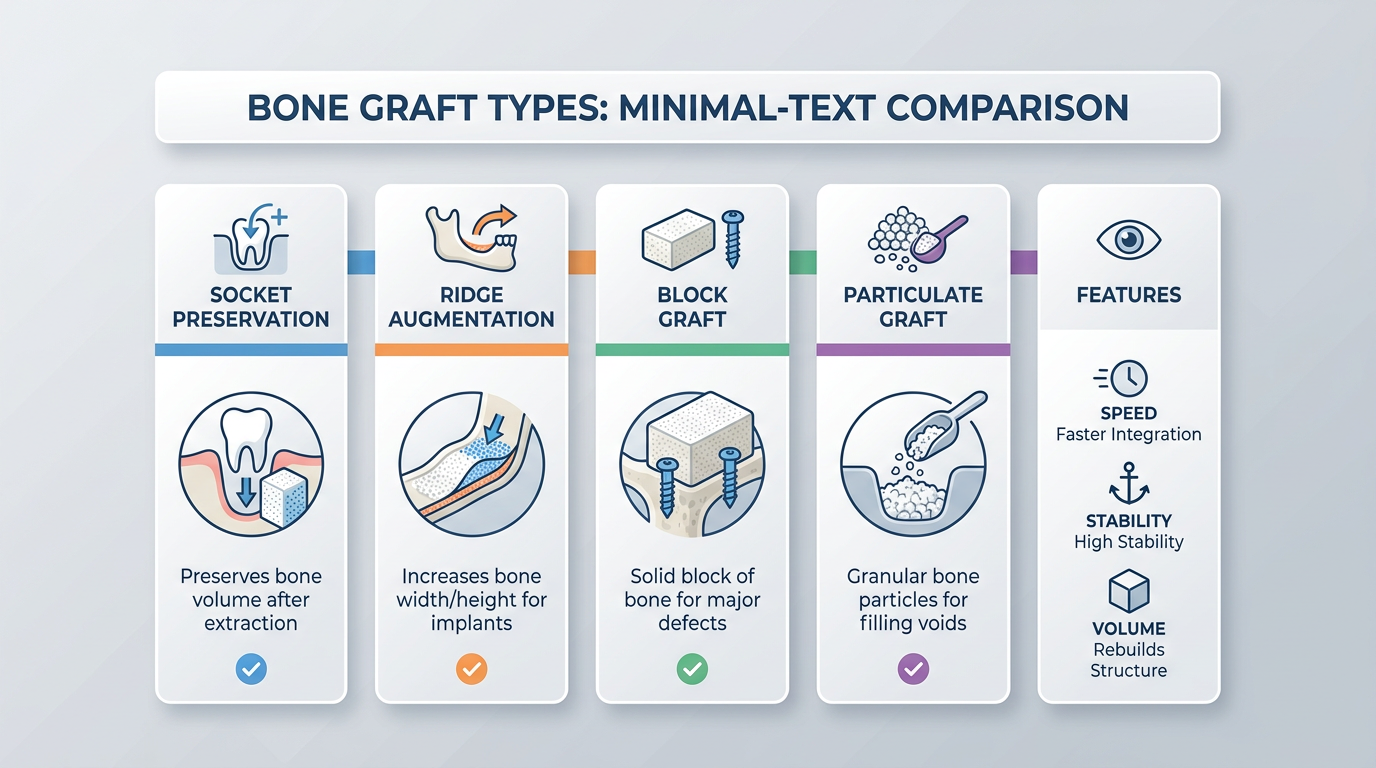
Dr. Arzegar then outlined the different types of bone grafts available, tailored to Jason's specific needs found during his oral examination and digital imaging. He spoke about options like socket preservation, which might have been done right after his extraction but could still be relevant for future considerations. He also mentioned block bone grafts and particulate grafts, each suited for different levels of bone loss.

For Jason’s situation, Dr. Arzegar explained that a minor ridge augmentation seemed most likely, given how long it had been since his tooth extraction. This procedure would rebuild the width or height of the jawbone, providing the necessary bulk for the implant. He patiently answered Jason's questions about the sources of graft material, reassuring him about their safety and efficacy.

"The best approach depends entirely on your unique bone structure and the extent of bone loss," Dr. Arzegar emphasized. He underscored that his priority was to select the method that offered Jason the most predictable and successful outcome for his future dental implant.

The Path to a Complete Smile

Considering a dental implant but worried about bone loss? Dr. Arzegar and our team are here to guide you through every step, just like we did with Jason. We'll assess your unique situation and create a personalized plan to restore your oral health and confidence.

The Sinus Lift: When Upper Jawbone is Thin

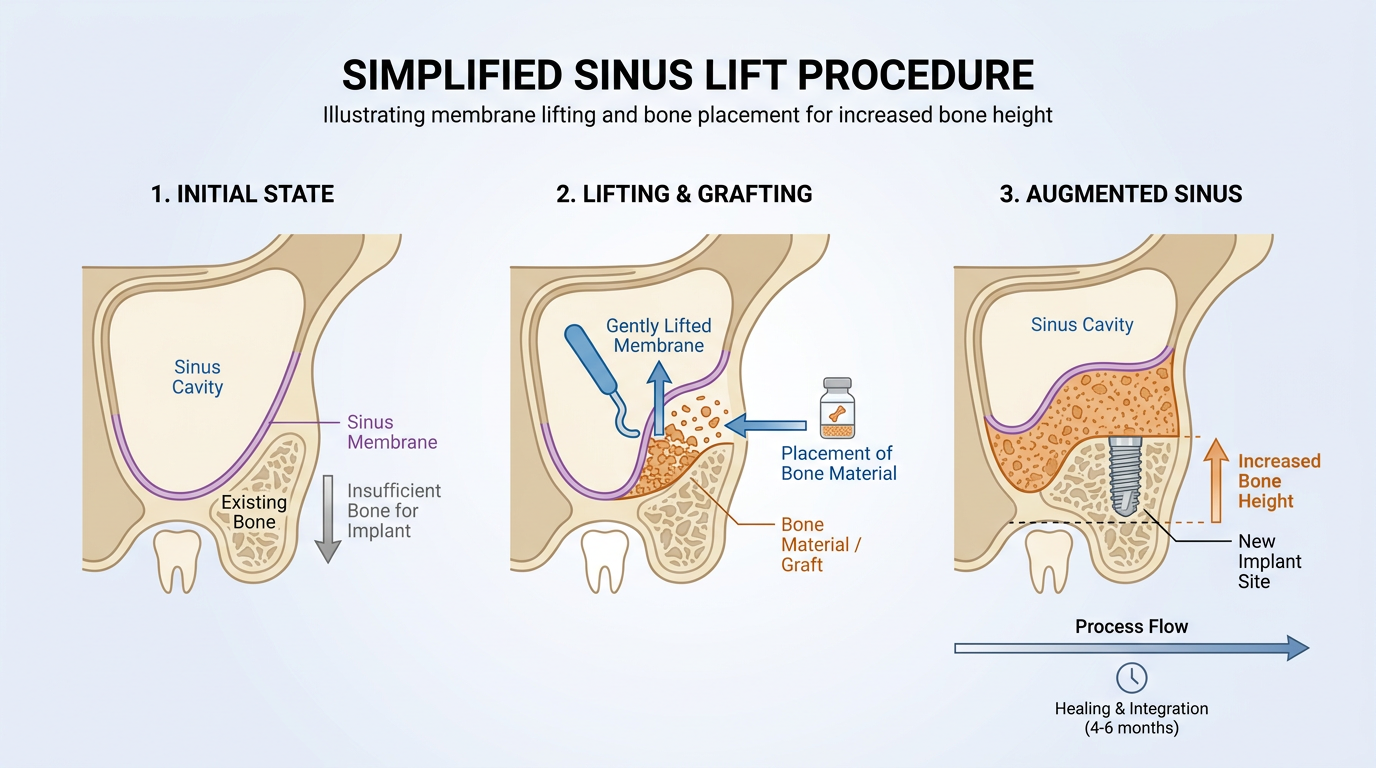
Since Jason was also curious about his friends' experiences, Dr. Arzegar briefly touched upon another common bone grafting procedure: the sinus lift. He explained that if Jason were to ever consider an implant in his upper jaw, and the bone between the sinus cavity and the mouth was too thin, a sinus lift might be necessary. "This isn't for your current situation," Dr. Arzegar clarified, "but it's good to understand the range of possibilities."

He described how the procedure gently lifts the sinus membrane, creating space for bone graft material to be placed. This allows new bone to grow, strengthening the area for dental implants. It’s a specialized form of bone grafting that our Austin practice performs regularly, ensuring even complex cases can achieve successful implant placement.

Jason appreciated the detailed explanation, even for something not directly applicable to him right now. It showed Dr. Arzegar's commitment to patient education and made him feel more empowered about his overall oral health journey. He realized that a thorough understanding was crucial for making informed decisions.

Recovery and Healing: What to Expect Afterward

Naturally, Jason’s next concern was the recovery process. Dr. Arzegar assured him that while it was a surgical procedure, proper care would ensure a smooth healing journey. He explained that after the dental bone grafting, Jason could expect some mild swelling and discomfort, which would be manageable with prescribed pain medication. "Rest is key during the initial days," Dr. Arzegar advised.

He also provided clear post-operative instructions, including guidelines on diet, oral hygiene, and activity restrictions. Jason would need to stick to soft foods for a period and avoid strenuous exercise to allow the graft site to heal undisturbed. Frequent follow-up appointments would monitor his progress and ensure everything was on track.

The most crucial part of recovery is patience, Dr. Arzegar highlighted. It takes several months for the graft material to fully integrate with his natural bone and create a strong foundation for the eventual dental implant. This healing period is essential for the long-term success and stability of the implant.

The Comfort-First Approach at Lifetime Smiles

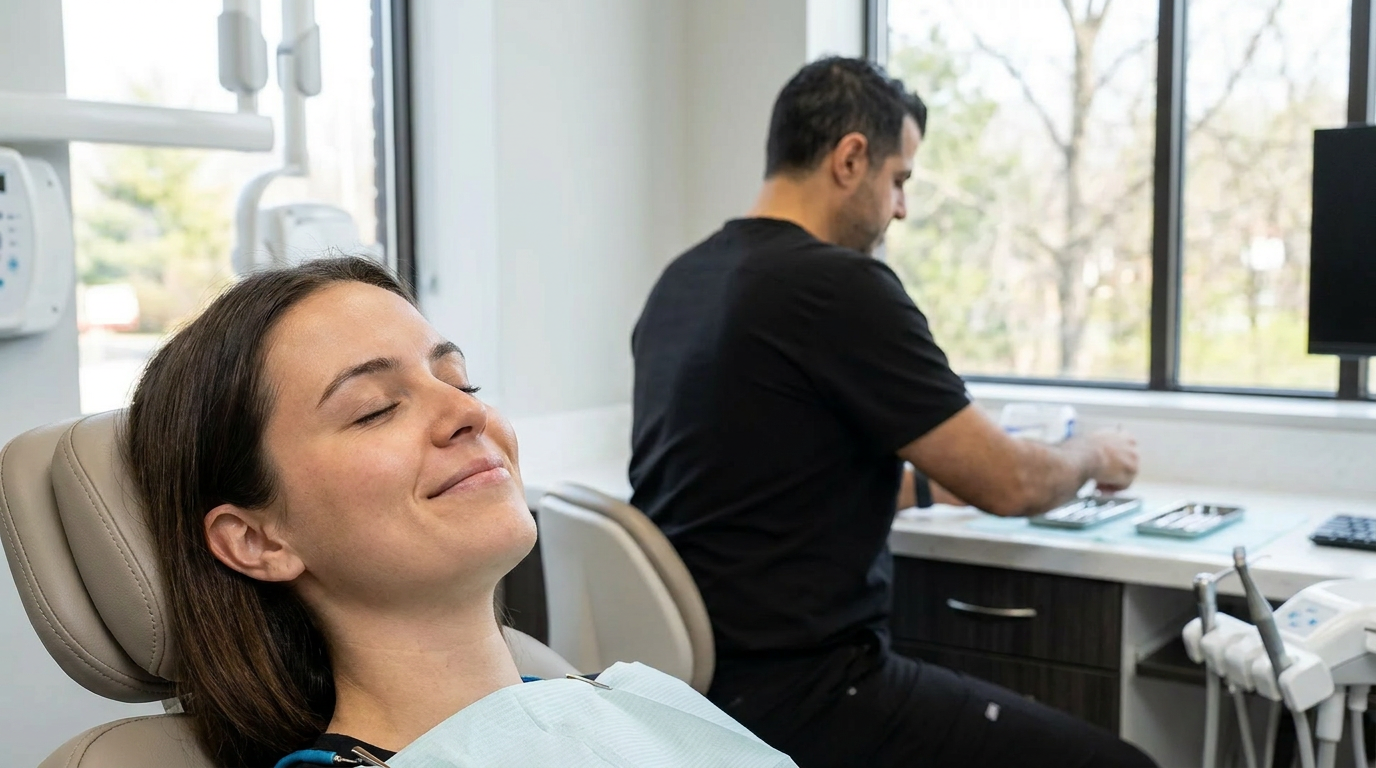
Jason expressed his apprehension about any discomfort during the procedure, a common fear Dr. Arzegar was well-acquainted with. Dr. Arzegar emphasized Lifetime Smiles' commitment to patient comfort, offering various sedation dentistry options. He explained that local anesthesia would numb the area completely, ensuring Jason felt no pain during the actual bone graft. "Your comfort is our priority," he reassured Jason.

For those with higher anxiety, he also mentioned options like nitrous oxide or oral conscious sedation to help patients relax throughout the procedure. This comprehensive approach to pain management made Jason feel much more at ease about undergoing the bone grafting. He appreciated knowing he wouldn’t have to white-knuckle his way through the process.

He left the consultation feeling significantly calmer and more confident than when he arrived. Dr. Arzegar’s clear explanations and empathetic demeanor transformed what felt like an insurmountable obstacle into a manageable step towards a healthier, more confident smile.

Jason's Journey Towards a Restored Smile

After his thorough consultation, Jason felt empowered to move forward. He understood that his missing tooth didn't just need replacing; it needed a proper foundation. The idea of dental bone grafting in Austin no longer felt like a mysterious, frightening medical term, but a clear, necessary step. He felt ready to commit to the process, trusting Dr. Arzegar's expertise.

His journey, from initial hesitation to confident decision-making, mirrored that of many patients at Lifetime Smiles. It highlighted the importance of a comprehensive understanding of dental procedures and the personalized care offered by Dr. Arzegar and his team. Jason was excited about the prospect of chewing comfortably again and smiling without a second thought.

With the bone graft scheduled, Jason looked forward to the day he could complete his smile with a dental implant. He knew he was in good hands at Lifetime Smiles Cosmetic Dentistry, a practice dedicated to restoring both oral health and patient confidence. His experience showed him that complex dental issues can be overcome with the right guidance and care.

Frequently Asked Questions

1. How long does the bone grafting procedure take?
The actual bone grafting procedure typically takes about 60 to 90 minutes, depending on the complexity and the amount of bone graft material needed. Dr. Arzegar will give you a more precise estimate during your consultation.


2. Will the bone grafting hurt?
You will be completely numb during the procedure with local anesthesia, so you shouldn't feel any pain. Afterwards, you might experience some soreness and swelling, but Dr. Arzegar will prescribe medication to manage any discomfort.


3. How long until I can get my dental implant after bone grafting?
Healing time varies, but generally, it takes anywhere from 4 to 9 months for the bone graft to fully integrate and create enough strong bone to support a dental implant. Dr. Arzegar will monitor your healing closely.


4. Does dental bone grafting affect my ability to eat or speak?
Immediately after the procedure, you'll need to stick to a soft diet and avoid chewing directly on the grafted area. Your speech shouldn't be significantly impacted, but initial swelling might feel a little unusual. These effects are temporary.


5. Is bone grafting covered by dental insurance?
Coverage for dental bone grafting procedures can vary significantly among insurance plans. Our team at Lifetime Smiles Cosmetic Dentistry will help you understand your insurance benefits and discuss financing options during your visit.


6. What are the risks associated with dental bone grafting?
As with any surgical procedure, there are minor risks such as infection, swelling, or discomfort. However, Dr. Arzegar takes every precaution to minimize these risks, and he will discuss all potential concerns and how to manage them thoroughly with you before your procedure.

Related Blog Posts

Stay Informed with Expert Insights & Tips About Dental Care

What Can an Austin Cosmetic Dentist Do for Your Smile?

Discover how an Austin Cosmetic Dentist can transform your smile journey from hesitation to radiant confidence with a personalized Smile Makeover.

4.8.2026
READ MORE

Wisdom Teeth Recovery: What to Expect

Wondering how long wisdom teeth recovery takes? Get clear answers and a smooth journey to healing with our expert guide!

3.11.2026
READ MORE

What Can Help With A Toothache When Nothing Seems To Work

Wondering what can help with a toothache when home remedies fail? Follow one patient’s journey from restless nights to real relief and learn when it is time to seek professional care.

2.10.2026
READ MORE
Front exterior of Lifetime Smiles Adult & Pediatric Dentistry clinic with visible signage, glass entrance doors, and a white and navy building facade on a sunny day.

Now Accepting New Patients

+1 (512) 900-2384 info@atxdentistry.com
2100 W William Cannon Dr, Austin, TX 78745

Business Hours

Monday: 10:00 AM – 4:00 PM
Tuesday: 8:00 AM – 4:00 PM
Wednesday: 8:00 AM – 4:00 PM
Thursday: 8:00 AM – 4:00 PM
Friday: 8:00 AM – 4:00 PM
Saturday: Closed
Sunday: Closed
+1 (512) 900-2384

Book an Appointment

Thank you! Your submission has been received!
Oops! Something went wrong while submitting the form.

We Accept All Major Insurances