1. What happens if a popcorn kernel gets stuck in your gums?
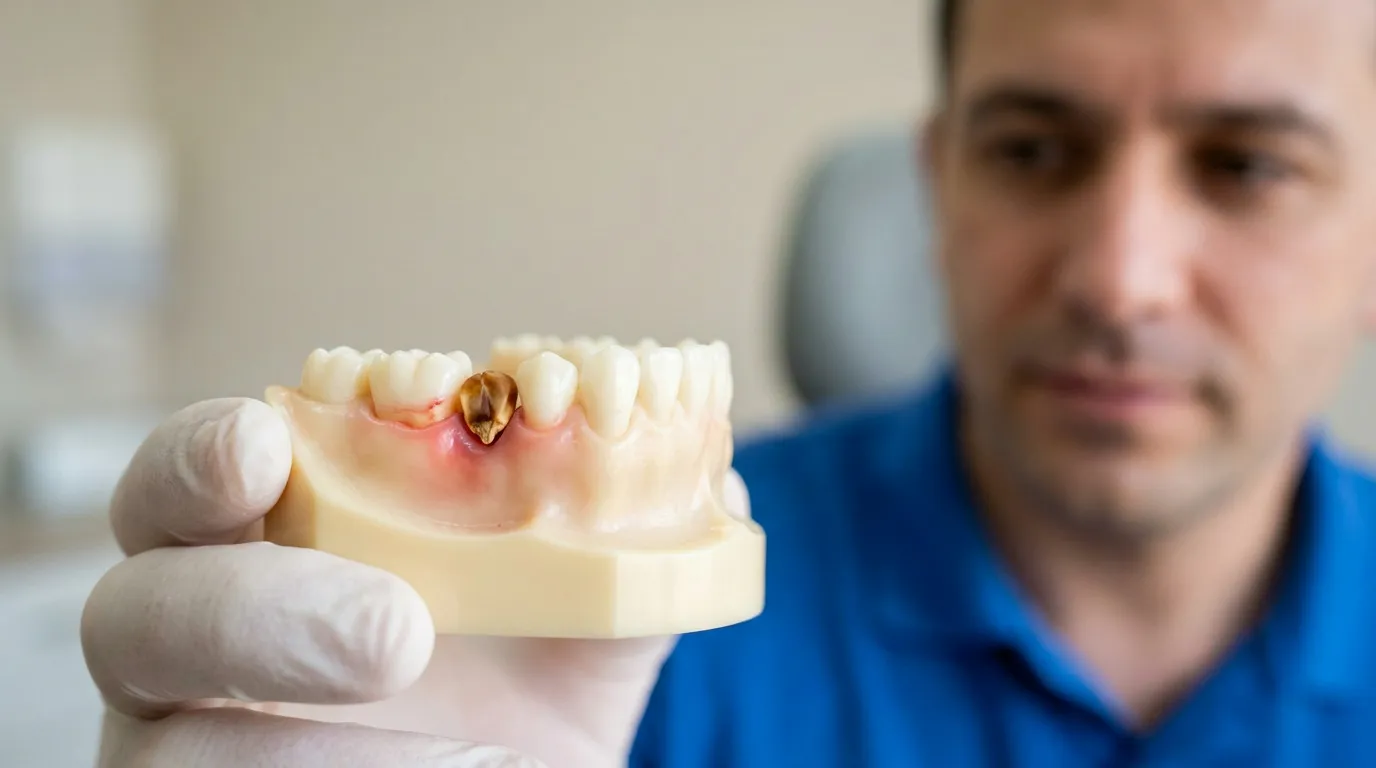
If a popcorn kernel gets stuck in your gums, it can cause localized inflammation, pain, and potentially lead to an infection or gum abscess if not removed.
2. How long can a popcorn kernel stay stuck in your teeth?
A popcorn kernel can stay stuck for days or even weeks if not dislodged, causing ongoing irritation and increasing the risk of gum inflammation or infection.
3. Is it dangerous to leave a popcorn kernel stuck?
Yes, leaving a popcorn kernel stuck can lead to gum irritation, inflammation, infection, or damage to gum tissue, potentially impacting your overall oral health.
4. Can a water flosser remove a stuck kernel?
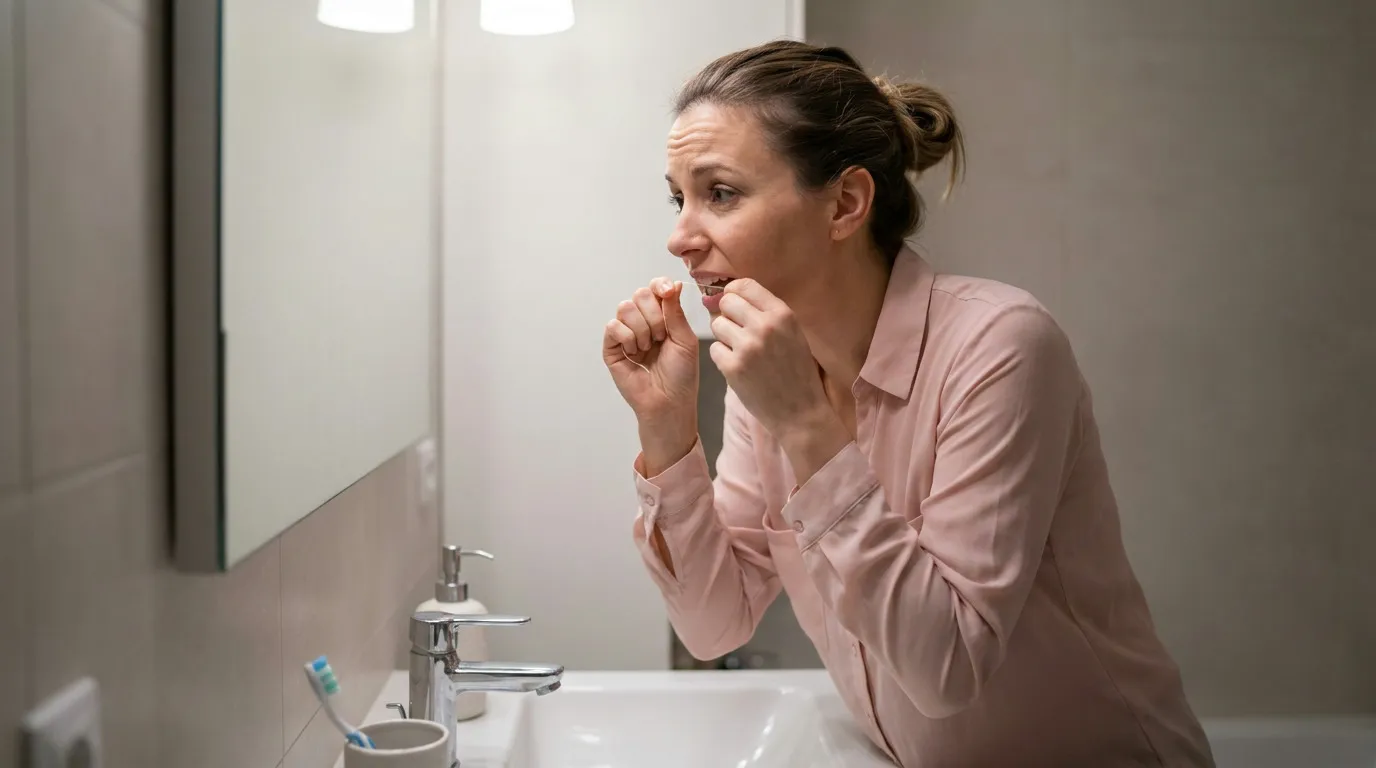
Yes, a water flosser can be very effective at dislodging popcorn kernels or husks, especially those caught under the gumline, by using a gentle stream of water.
5. Should I use a toothpick to remove a kernel?
No, you should avoid using toothpicks or other sharp objects to remove a kernel, as this can push it deeper, injure your gums, or damage your teeth.
6. When should I see a dentist for a stuck kernel?
You should see a dentist if a kernel causes persistent pain, swelling, bleeding, or signs of infection, or if home remedies don't work after 24-48 hours.
7. Can a stuck kernel cause bad breath?
Yes, if a popcorn kernel remains trapped, it can harbor bacteria and contribute to localized bad breath (halitosis) due to decaying food particles and infection.
8. What if the kernel is stuck under my dental work?
If a kernel is stuck under a crown or filling, it's best to see a dentist, as aggressive home attempts could damage the restoration or push the kernel further.
9. Does a salt-water rinse help remove kernels?
A salt-water rinse can help soothe inflamed gums and may assist in dislodging loosely caught kernels by washing debris away, but it's often not enough for stubborn ones.
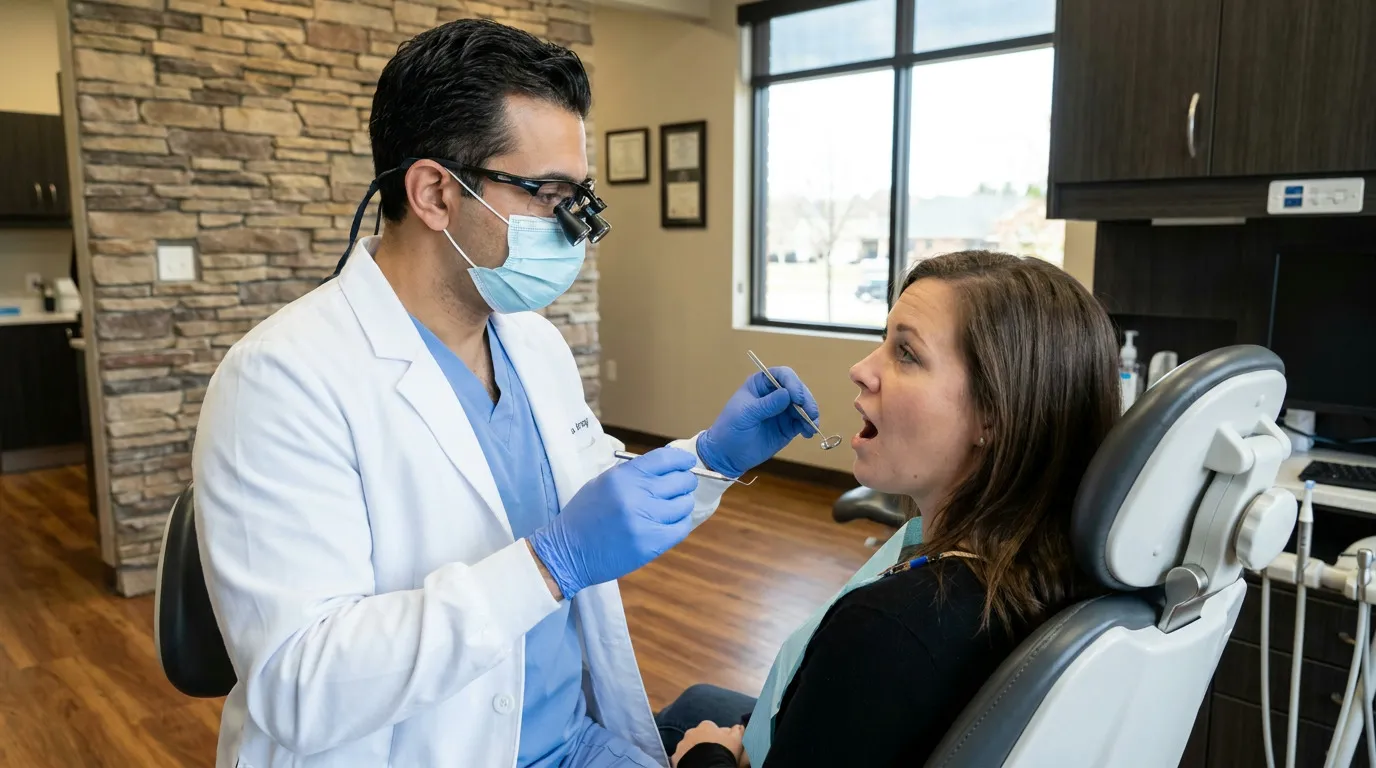
10. How can Dr. Sean Arzegar help with a stuck kernel?
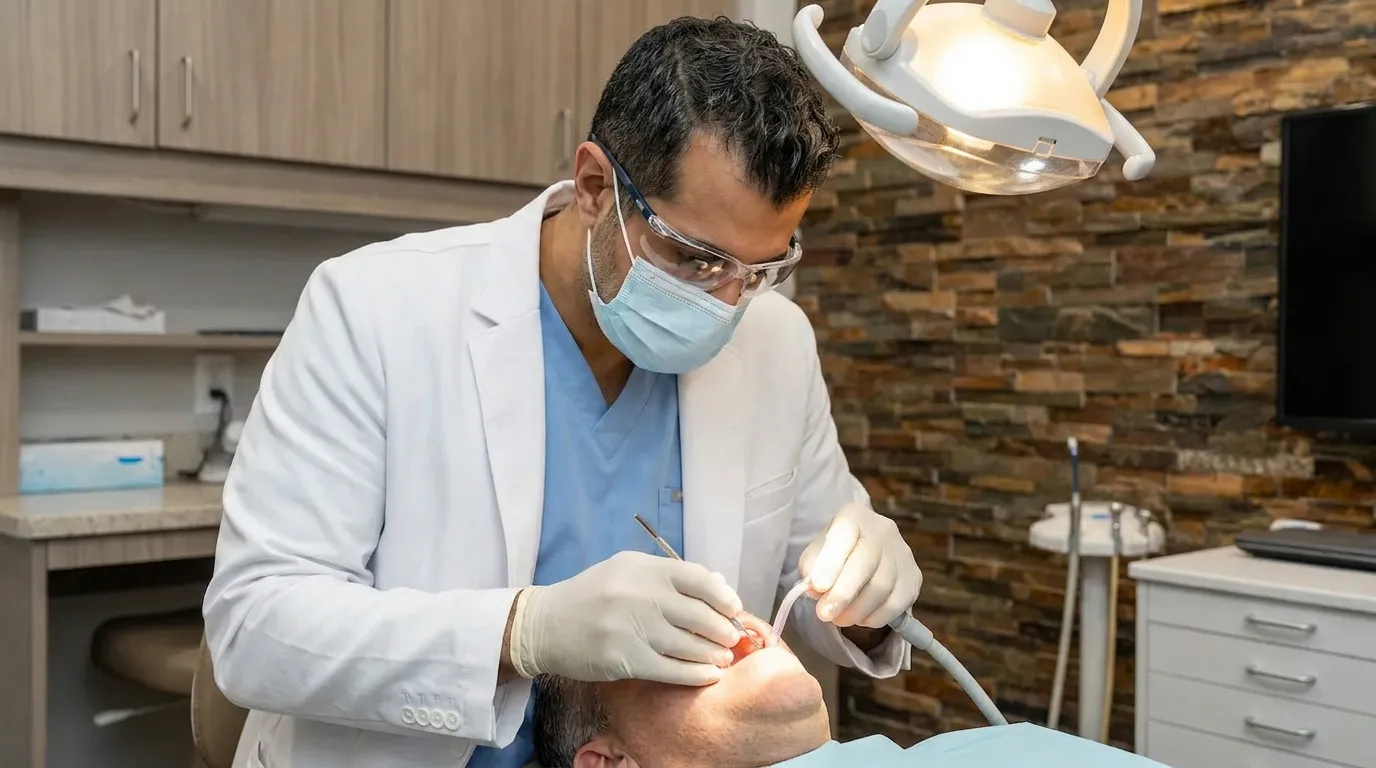
Dr. Sean Arzegar can use specialized dental tools to safely remove the kernel, clean the area, and address any resulting inflammation or infection, ensuring patient comfort.