Back to Blogs

Top Toothpaste Brands Austin Dentists Recommend

Choosing the right toothpaste is key for oral health, with specific ingredients targeting concerns like cavities, sensitivity, and gum disease.

July 10, 2026
2 min read
Heather, in a soft pink blouse, stirs coffee at a kitchen island with a tube of ADA toothpaste and a toothbrush nearby.
Back to Blogs

Top Toothpaste Brands Austin Dentists Recommend

Heather, in a soft pink blouse, stirs coffee at a kitchen island with a tube of ADA toothpaste and a toothbrush nearby.

Choosing the right toothpaste is key for oral health, with specific ingredients targeting concerns like cavities, sensitivity, and gum disease.

July 10, 2026
2 min read

Why Choosing the Right Toothpaste Matters

Selecting the appropriate toothpaste is crucial for maintaining optimal oral health, as it directly impacts your teeth's protection against decay, gum disease, and sensitivity. A well-chosen toothpaste works with your brushing technique to remove plaque, strengthen enamel, and address specific dental concerns, making it a foundational element of your daily hygiene routine.

Many people underestimate the power of their toothpaste, viewing it simply as a cleaning agent. However, the ingredients in your toothpaste can make a significant difference in preventing common dental issues. From combating cavities to reducing inflammation, the right formula can provide targeted protection for your unique needs.

At Lifetime Smiles Cosmetic Dentistry in Austin, Dr. Arzegar often discusses toothpaste selection with his patients, emphasizing that generic options may not always be the best fit. He guides individuals to products that align with his oral health goals, whether that's intense cavity prevention or managing chronic sensitivity.

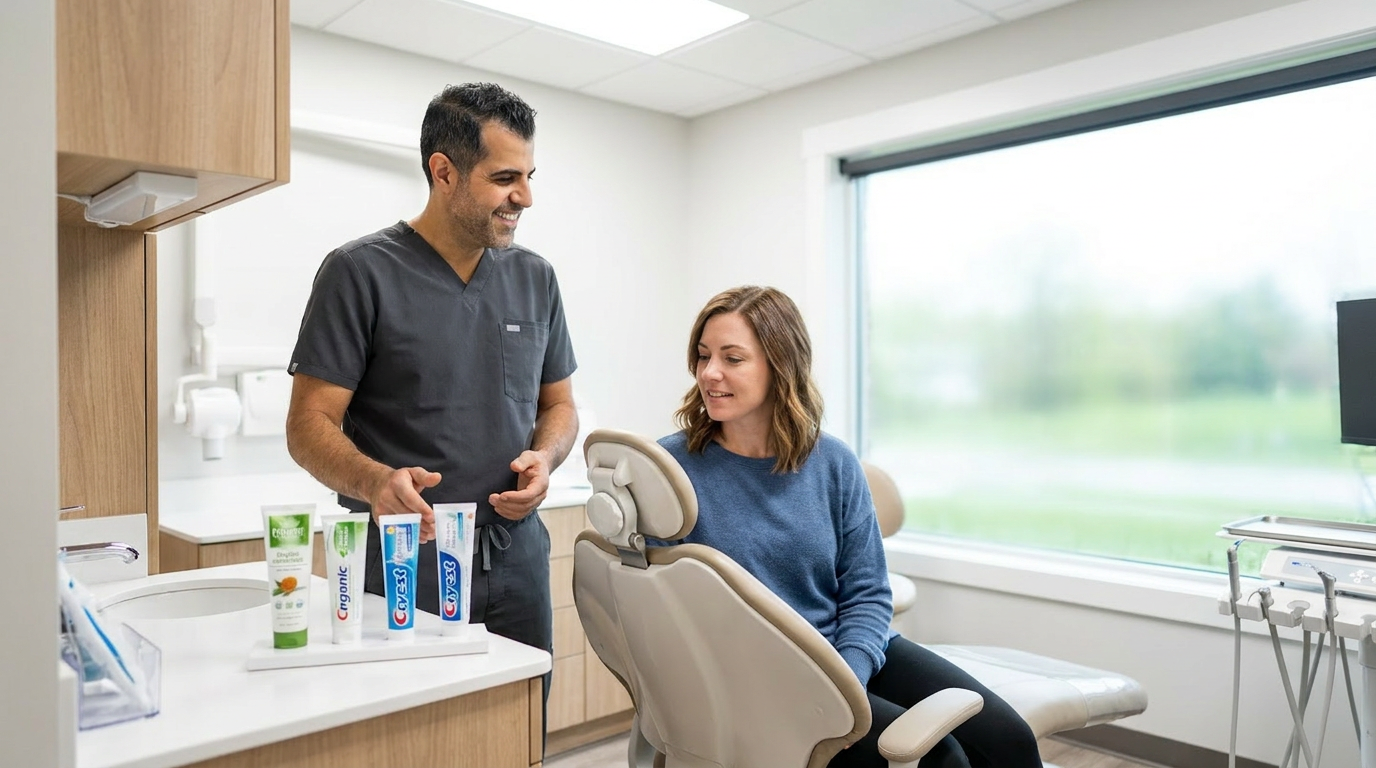
Dr. Arzegar, talks with Heather, who is seated in a modern dental chair, discussing toothpaste options.

What Ingredients Should My Toothpaste Have?

Your ideal toothpaste should contain fluoride for cavity protection and may include other beneficial ingredients like desensitizing agents, antimicrobials, or mild abrasives, depending on your individual oral health needs. Always look for the American Dental Association (ADA) Seal of Acceptance, which ensures effectiveness and safety.

Understanding toothpaste ingredients helps you make informed choices that benefit your oral health. Dr. Arzegar recommends focusing on a few key components to ensure you're getting the most out of your brushing routine. These ingredients are clinically proven to provide protective and restorative benefits.

Here are the essential ingredients Dr. Arzegar looks for in a good toothpaste:

  • Fluoride: This is the most crucial ingredient for preventing cavities. It strengthens tooth enamel and makes it more resistant to acid attacks from plaque bacteria and sugars, significantly reducing his risk of decay.
  • Mild Abrasives: Ingredients like hydrated silica or calcium carbonate help remove plaque and surface stains without damaging enamel. They provide the scrubbing power necessary for effective cleaning.
  • Humectants: Glycerin and sorbitol prevent the toothpaste from drying out, maintaining its texture and consistency. They also give toothpaste its smooth feel.
  • Flavoring Agents: Sweeteners like saccharin or xylitol provide a pleasant taste, encouraging consistent brushing habits. Xylitol also has some anti-cavity benefits.
  • Detergents: Sodium lauryl sulfate (SLS) creates foam, helping to distribute the toothpaste throughout your mouth, though some individuals prefer SLS-free options due to sensitivity.
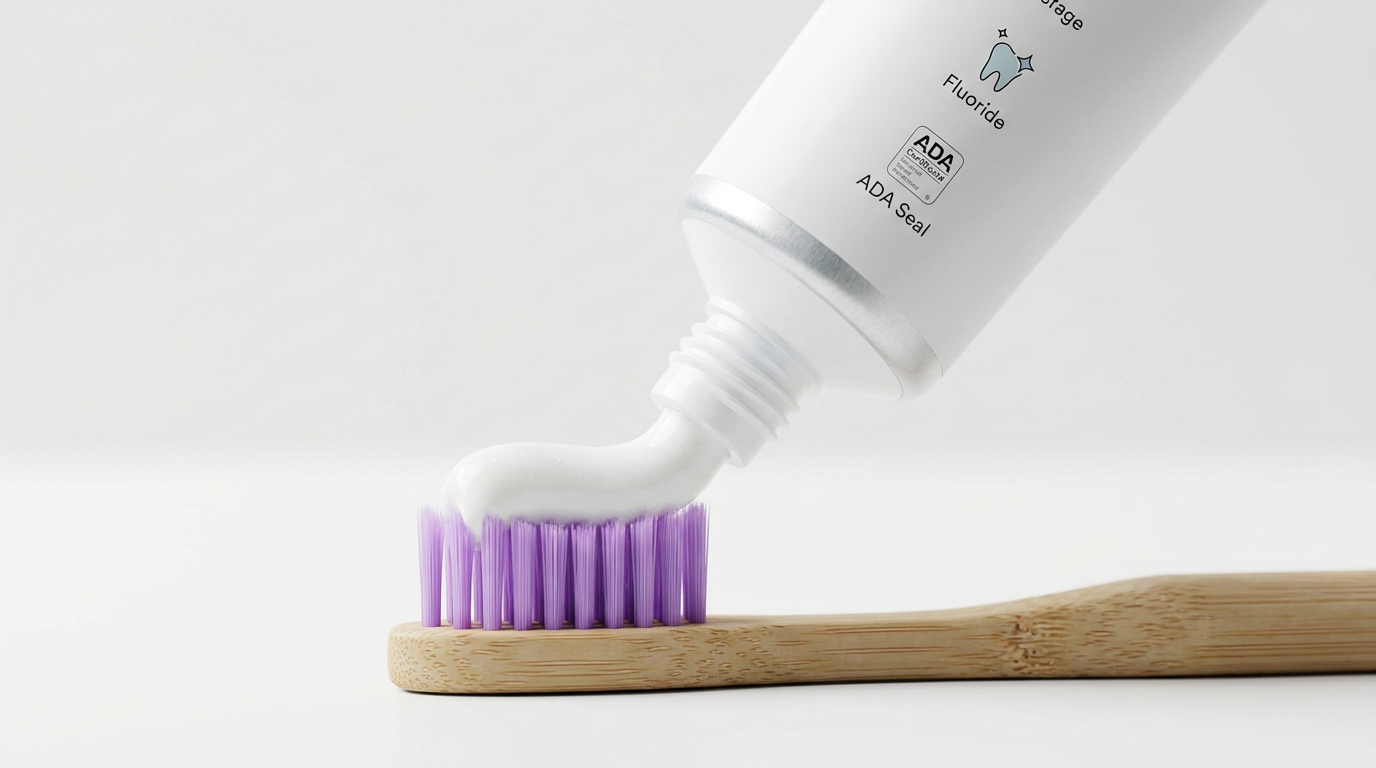
A macro studio shot of a toothpaste tube being squeezed, revealing a ribbon of white paste onto a toothbrush.

How to Choose Toothpaste for Specific Oral Health Needs

Choosing toothpaste for specific oral health needs involves identifying your primary concerns, such as sensitivity, gum disease, or stain removal, and selecting a formula with targeted active ingredients. Consulting with your dentist, like Dr. Arzegar at Lifetime Smiles Cosmetic Dentistry, ensures you get the most effective recommendation.

Your oral health isn't one-size-fits-all, and neither should your toothpaste be. Different formulations are designed to tackle distinct issues, offering specialized care beyond basic cleaning. Dr. Arzegar often emphasizes the importance of personalized toothpaste selection during routine dental exams in Austin.

Consider these common oral health concerns and the types of toothpaste that can help:

  • Sensitive Teeth: Look for toothpastes containing ingredients like potassium nitrate or strontium chloride. These work by blocking the tiny tubules in your dentin that lead to the nerve, reducing discomfort from hot, cold, or sweet stimuli.
  • Gum Disease (Gingivitis): Toothpastes formulated for gum health often include antimicrobial agents like stannous fluoride. These help reduce plaque buildup and inflammation along the gum line, crucial for preventing and managing periodontal treatment.
  • Cavity Prevention: All toothpastes with the ADA Seal should contain fluoride, making them excellent for preventing cavities. For those at higher risk, a prescription-strength fluoride toothpaste might be recommended.
  • Whitening: Whitening toothpastes use mild abrasives or chemical agents (like hydrogen peroxide in small concentrations) to remove surface stains and lighten your smile. They do not change your natural tooth shade but can significantly brighten your appearance. Our practice also offers professional Zoom Whitening for more dramatic results.
  • Enamel Erosion: For those concerned about enamel wear, some toothpastes contain ingredients that help repair or re-mineralize enamel, such as stannous fluoride or novel calcium technologies. These can help strengthen weakened tooth surfaces.
Heather, stands in a brightly lit bathroom, looking at her reflection in the mirror while holding a tube of sensitivity toothpaste.

Popular Toothpaste Brands and Their Benefits

Many popular toothpaste brands offer specialized formulas addressing various oral health needs, from cavity protection to sensitivity relief and whitening. Brands like Crest, Colgate, Sensodyne, and Tom's of Maine are widely recognized for their effectiveness and often carry the ADA Seal of Acceptance, signifying reliability.

When you walk down the oral care aisle, the sheer number of options can be overwhelming. However, several brands consistently receive recommendations from dental professionals, including Dr. Arzegar. These brands have invested heavily in research and development to create effective and safe products for a wide range of patients.

For patients in Austin and beyond, specific brands often stand out for their ability to deliver on their promises. While Dr. Arzegar always suggests a personalized recommendation, understanding the general benefits of popular brands can guide your choice. For instance, Crest is well-known for his comprehensive line of products, often emphasizing fluoride protection and tartar control. Colgate offers formulations that target specific issues like gum health and sensitivity, frequently incorporating advanced antimicrobial agents. Sensodyne is primarily focused on sensitivity relief, with many patients finding significant comfort from its specialized ingredients. Meanwhile, brands like Tom's of Maine provide natural ingredient options, often appealing to those looking for fewer artificial additives, while still frequently including fluoride.

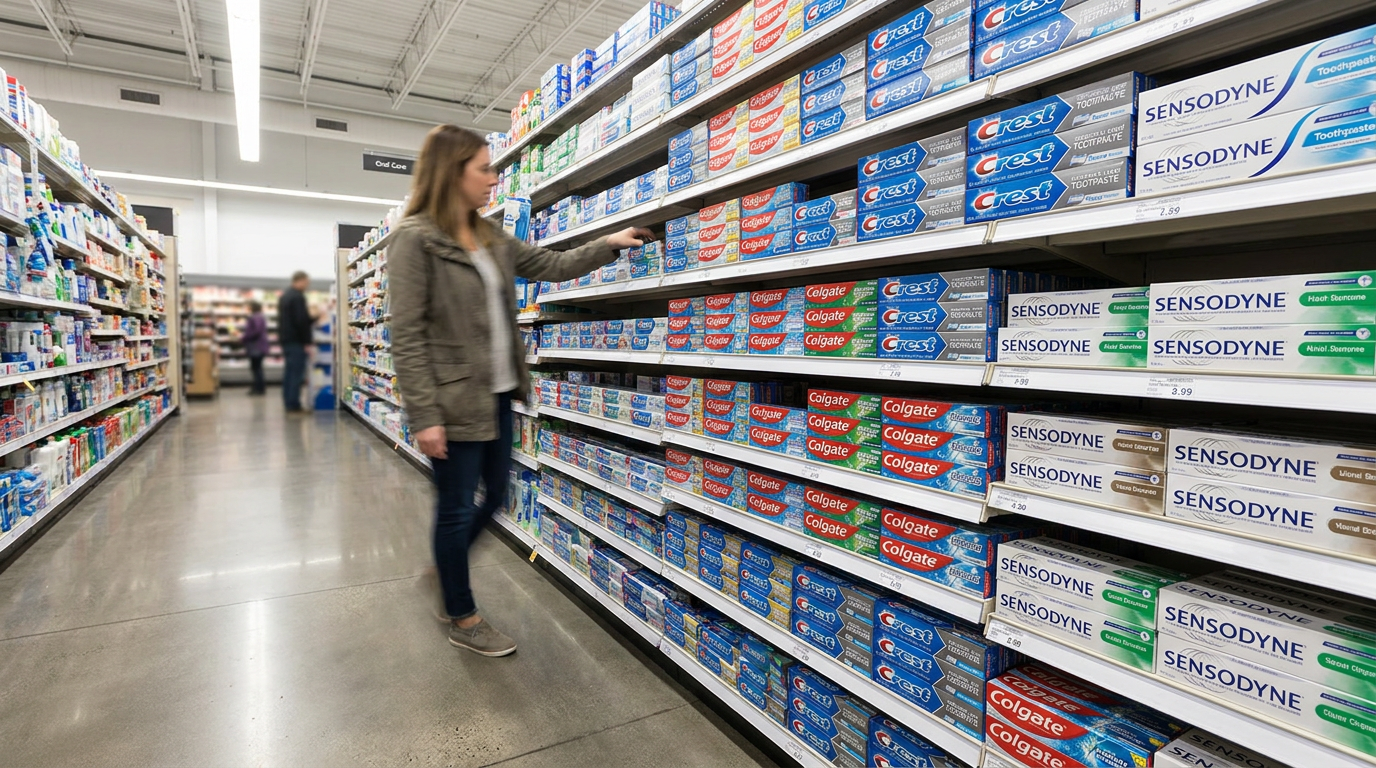
A vibrant and clean supermarket aisle, specifically the oral care section.

Schedule Your Personalized Oral Health Consultation Today

Don't guess which toothpaste is right for you. Visit Dr. Arzegar at Lifetime Smiles Cosmetic Dentistry in Austin, TX for a comprehensive oral health assessment and personalized recommendations. Improve your dental hygiene and protect your smile. Contact us today via our website or by calling our office to book your appointment.

Over-the-Counter vs. Prescription Toothpaste

Over-the-counter (OTC) toothpastes are generally sufficient for most individuals, providing fluoride for cavity prevention and addressing common issues like sensitivity or mild staining. Prescription toothpastes, prescribed by dentists like Dr. Arzegar, offer higher concentrations of active ingredients, typically fluoride, for patients with specific, more severe oral health challenges.

The decision between OTC and prescription toothpaste depends on the severity of your oral health concerns. For daily maintenance and general protection, OTC options are highly effective. However, for those facing significant dental risks, a stronger approach might be necessary.

Here’s a breakdown of the differences:

  • Fluoride Concentration: OTC toothpastes typically contain 1,000 to 1,500 parts per million (ppm) of fluoride. Prescription toothpastes, on the other hand, can have up to 5,000 ppm of fluoride, providing a much higher dose for enhanced re-mineralization and cavity prevention.
  • Indications: OTC toothpastes are designed for the general population to prevent cavities, control plaque, and address mild sensitivity or staining. Prescription toothpastes are specifically indicated for patients with a high risk of decay, severe sensitivity not managed by OTC options, dry mouth, or those undergoing orthodontic treatment who need extra protection.
  • Availability: OTC toothpastes are readily available at drugstores and supermarkets. Prescription toothpastes require a direct prescription from your dentist, ensuring they are used under professional guidance.
  • Cost: OTC toothpastes are generally more affordable and accessible. Prescription toothpastes tend to be more expensive, though they may be covered by some dental insurance plans.
  • Safety: While both are safe when used as directed, the higher fluoride content in prescription toothpastes means they should be used with more caution, especially in children, to prevent fluorosis (white spots on teeth). Dr. Arzegar carefully assesses if a prescription-strength option is appropriate for you.
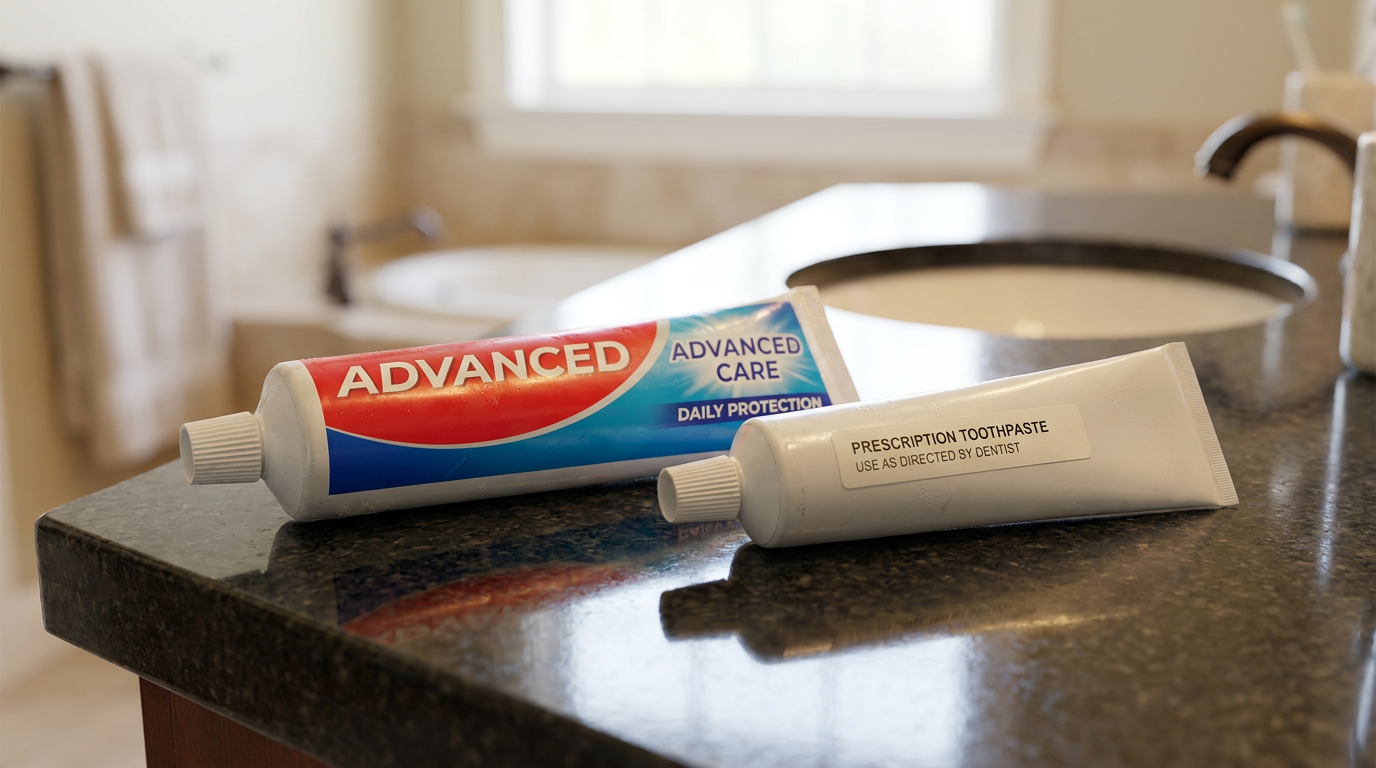
A close-up of two distinct toothpaste tubes side-by-side on a dark, polished counter.

Debunking Common Toothpaste Marketing Claims

Many toothpaste marketing claims can be misleading, so it's essential to look beyond the hype and focus on scientifically proven ingredients. Claims like "all-natural" or "total protection" may not equate to superior oral health benefits without the inclusion of critical components like fluoride or the ADA Seal of Acceptance.

The toothpaste aisle is filled with eye-catching packaging and bold promises. Navigating these claims requires a critical eye and an understanding of what truly matters for your oral health. Dr. Arzegar often advises patients to be wary of unsubstantiated claims that lack scientific backing.

For example, while "all-natural" toothpastes might appeal to some, if they lack fluoride, they won't offer the same cavity protection as ADA-approved fluoride toothpaste. Similarly, "total protection" can be a vague term; it's more important to check if the product targets specific issues like gingivitis or sensitivity with proven ingredients. Another common claim is "rebuilds enamel," but while some ingredients can help re-mineralize or strengthen enamel, they cannot fully "rebuild" lost tooth structure. Always prioritize products with the ADA Seal, as this guarantees they have been rigorously tested and proven effective for his stated purpose.

Vanessa, looking skeptical while examining a toothpaste tube with exaggerated marketing claims like "Miracle Whitening" and "All-Natural Power" in a brightly lit drugstore aisle.

The Role of the ADA Seal of Acceptance

The ADA Seal of Acceptance is a critical indicator that a dental product, including toothpaste, has been independently reviewed and verified for safety and effectiveness by scientific experts. This seal assures consumers and dentists like Dr. Arzegar that the product meets the ADA's stringent criteria for quality and performance, beyond just marketing claims.

Looking for the ADA Seal is one of the easiest ways to ensure you're choosing a toothpaste that actually works. It's a testament to a product's integrity and a guidepost for making informed purchasing decisions. The process for obtaining the seal is rigorous and voluntary.

Here’s why the ADA Seal of Acceptance is so important:

  • Scientific Review: Products are subjected to a comprehensive scientific review by the ADA Council on Scientific Affairs, ensuring that claims are accurate and supported by evidence.
  • Safety Assurance: The seal confirms that the product is safe for its intended use, with ingredients that are not harmful. This includes evaluating potential allergic reactions or adverse effects.
  • Effectiveness: It guarantees that the toothpaste performs as advertised, whether it's preventing cavities (with fluoride), reducing gingivitis, or lessening sensitivity.
  • Ingredient Standards: Products must meet strict ingredient criteria, ensuring that active components are present in effective concentrations and that inactive ingredients are safe.
  • Transparency: The ADA encourages manufacturers to disclose all ingredients, promoting greater transport for consumers.
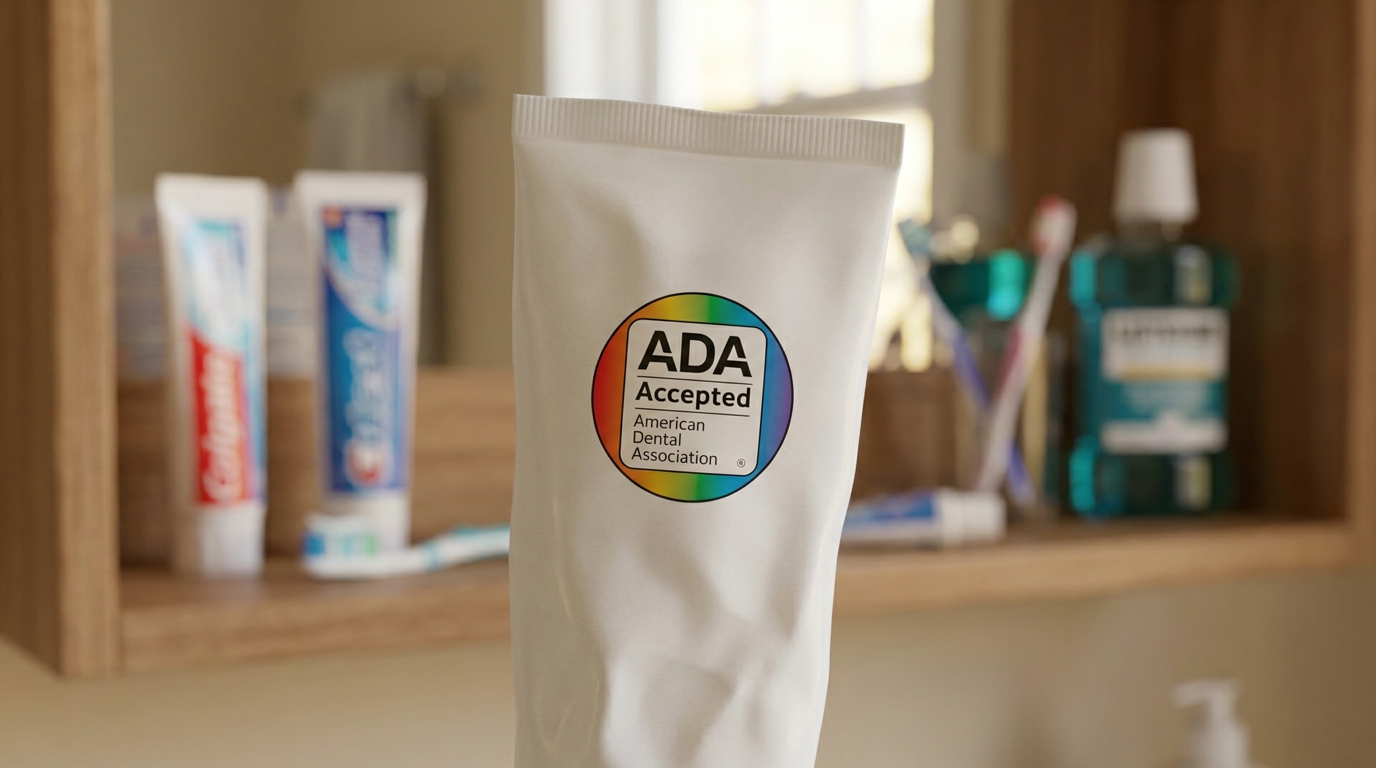
A close-up, high-angle shot of a toothpaste tube displaying a prominent "ADA Seal of Acceptance" logo, with a blurred background of other dental hygiene products on a shelf.

What This Means for You

Choosing the right toothpaste is a crucial yet often overlooked step in maintaining excellent oral hygiene. It's more than just a matter of taste or brand loyalty; it's about selecting a product that actively supports your specific dental health needs. From safeguarding against cavities with fluoride to soothing sensitive teeth or fighting gum disease, the ingredients in your toothpaste play a vital role. Dr. Arzegar and the team at Lifetime Smiles Cosmetic Dentistry in Austin are dedicated to helping you make these informed decisions. He encourages all his patients to prioritize toothpastes with the ADA Seal of Acceptance, as this guarantees a baseline level of safety and effectiveness. While popular brands offer a wide range of options, remember that your personal oral health profile should dictate your choice. If you're unsure which toothpaste is best for you, or if you have specific concerns like persistent sensitivity or a high risk of cavities, Dr. Arzegar is always available to provide a personalized recommendation during your next cleaning or check-up. Taking this small step can lead to significant improvements in your overall oral health and a brighter, healthier smile.

Don't guess which toothpaste is right for you. Visit Dr. Arzegar at Lifetime Smiles Cosmetic Dentistry in Austin, TX for a comprehensive oral health assessment and personalized recommendations. Improve your dental hygiene and protect your smile. Contact us today via our website or by calling our office to book your appointment.

Heather, smiles genuinely while holding a toothbrush with toothpaste, standing in front of a bathroom mirror.

Frequently Asked Questions

1. What are the best toothpaste brands dentists recommend?
Dentists frequently recommend brands like Crest, Colgate, and Sensodyne for their proven effectiveness, especially those with the ADA Seal of Acceptance, which contain fluoride for cavity protection.

2. What ingredients should I look for in toothpaste?
You should prioritize toothpaste containing fluoride for cavity prevention. Depending on your needs, look for ingredients like potassium nitrate for sensitivity or mild abrasives for stain removal.

3. Is sensitivity toothpaste effective?
Yes, sensitivity toothpastes containing ingredients like potassium nitrate or strontium chloride are highly effective at blocking pain signals to the tooth nerves, providing relief from discomfort.

4. How often should I use whitening toothpaste?
Whitening toothpastes can be used daily, but for more significant whitening results, discuss professional Zoom Whitening options with Dr. Arzegar.

5. What does the ADA Seal of Acceptance mean?
The ADA Seal signifies that a toothpaste has undergone rigorous testing and has been scientifically proven safe and effective for its stated purpose by the American Dental Association.

6. Can fluoride-free toothpaste prevent cavities?
Fluoride-free toothpastes typically do not offer the same level of cavity protection as fluoride toothpastes, as fluoride is the most effective ingredient for strengthening enamel against decay.

7. Should I use prescription toothpaste?
Dr. Arzegar may recommend prescription toothpaste if you have a high risk of cavities, severe dry mouth, or extreme sensitivity not managed by over-the-counter options, due to its higher fluoride concentration.

8. How do I choose toothpaste for gum disease?
For gum disease, look for toothpastes with antimicrobial properties or those specifically formulated for "gum health," often containing stannous fluoride, which helps reduce plaque and inflammation.

9. Is charcoal toothpaste safe?
While charcoal toothpaste is trending, there's limited scientific evidence of its long-term safety or effectiveness. Dr. Arzegar advises caution as its abrasiveness could potentially harm enamel.

10. Can I get a personalized toothpaste recommendation?
Yes, Dr. Arzegar and the team at Lifetime Smiles Cosmetic Dentistry can provide personalized toothpaste recommendations based on your unique oral health profile during your dental visit.


Related Blog Posts

Stay Informed with Expert Insights & Tips About Dental Care

Why Your Tooth Hurts When Biting Down

Persistent tooth pain when biting down signals an underlying issue that requires professional attention and prompt evaluation.

7.10.2026
READ MORE

Understanding and Fixing a Downturned Smile

Discover causes and fixes for a downturned smile, often caused by aging, genetics, or alignment issues, and reclaim your radiant confidence.

7.10.2026
READ MORE

How to Get Popcorn Kernel Out of Gums

Got a popcorn kernel stubbornly stuck in your gums? Learn why prompt removal is crucial & when to see Dr. Arzegar for relief.

6.2.2026
READ MORE
Front exterior of Lifetime Smiles Adult & Pediatric Dentistry clinic with visible signage, glass entrance doors, and a white and navy building facade on a sunny day.

Now Accepting New Patients

(512) 900-2384 info@atxdentistry.com
2100 W William Cannon Dr, Austin, TX 78745

Business Hours

Monday: 8:00 AM – 4:00 PM
Tuesday:
9:00 AM – 4:00 PM
Wednesday:
8:00 AM – 2:00 PM
Thursday:
9:00 AM – 4:00 PM
Friday:
8:00 AM – 2:00 PM
Saturday/Sunday:
Closed
(512) 900-2384

Book an Appointment

Thank you! Your submission has been received!
Oops! Something went wrong while submitting the form.

We Accept All Major Insurances