Back to Blogs

Wisdom Teeth Recovery: What to Expect

Wondering how long wisdom teeth recovery takes? Get clear answers and a smooth journey to healing with our expert guide!

March 11, 2026
2 min read
Back to Blogs

Wisdom Teeth Recovery: What to Expect

Wondering how long wisdom teeth recovery takes? Get clear answers and a smooth journey to healing with our expert guide!

March 11, 2026
2 min read

The Unexpected Jolt of Wisdom Tooth Pain

Elara, a bright young architect enjoying Austin's vibrant scene, usually sailed through life with a confident smile. One Tuesday morning, however, a dull throb deep in her jaw escalated into a sharp, persistent ache. She tried to ignore it, attributing it to stress, but by lunchtime, even talking felt like a monumental effort. Her right cheek began to swell subtly, a tell-tale sign she couldn't dismiss.

A quick call to our office confirmed her suspicion: it was her wisdom teeth making their unwelcome presence known. "Impacted wisdom teeth can cause a lot of trouble," our friendly receptionist explained, sensing Elara's apprehension. The thought of surgery made Elara's stomach churn; she’d never had a major dental procedure before, and the idea of recovery loomed large and unknown.

She had heard countless stories, some dramatic, about wisdom teeth removal from friends. The biggest question swirling in her mind was simple: "How long does wisdom teeth recovery take?" She worried about taking time off work, missing social engagements, and generally being out of commission. The uncertainty was almost as uncomfortable as the throbbing in her jaw.

Understanding the "Why" Behind Wisdom Tooth Removal

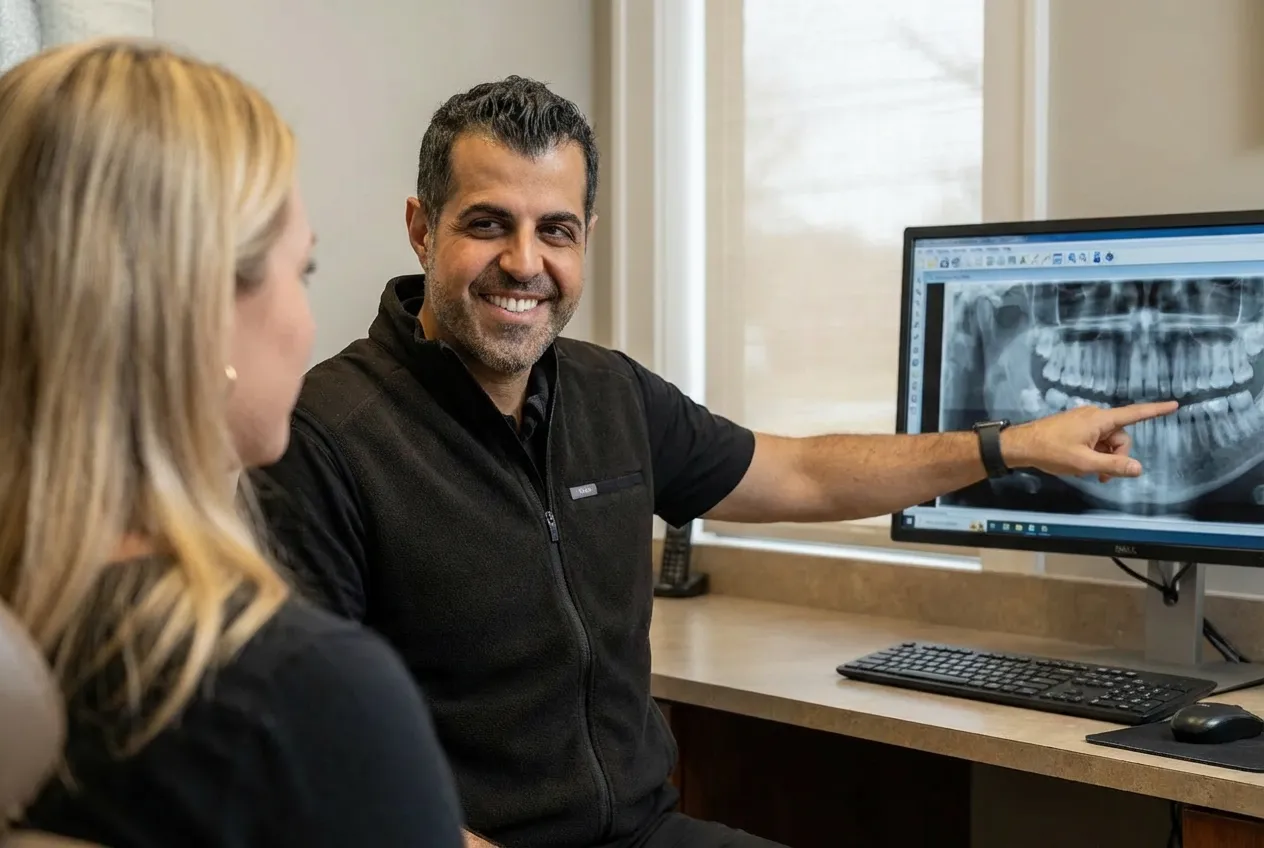
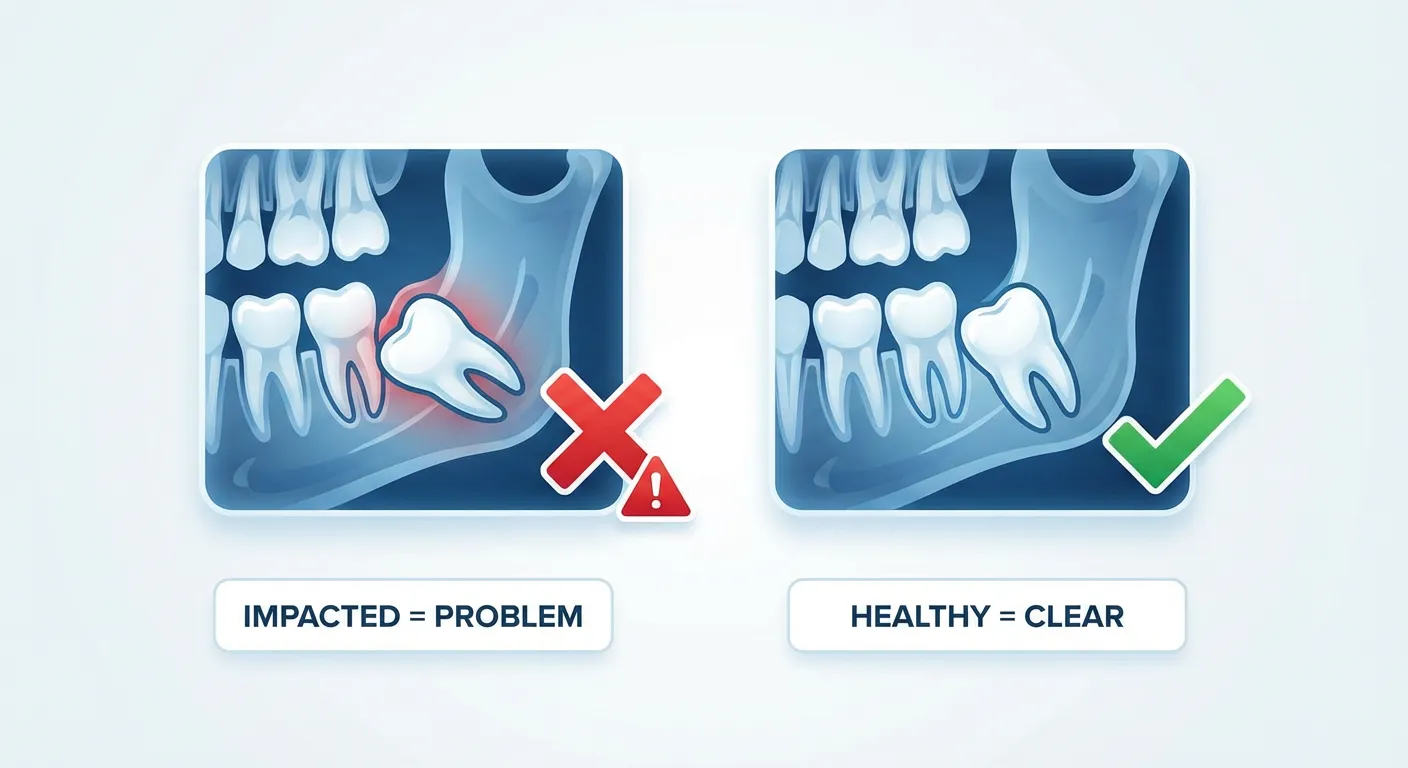
During her consultation, Dr. Arzegar patiently explained why Elara's wisdom teeth, also known as third molars, needed to come out. "Your mouth simply doesn't have enough room for them," he stated gently, pointing to her X-rays. They were impacted, meaning they were trapped beneath her gum line, pushing against her other teeth. This crowding could lead to a host of problems.

Dr. Arzegar detailed the potential complications if left untreated: severe pain, infection, damage to her adjacent molars, and even the formation of cysts. "Early intervention is key to preventing more serious issues down the road," he emphasized, putting Elara's mind at ease about the necessity of the procedure. He assured her that removing them now would save her much greater discomfort and expense in the future.

Elara learned that her situation was quite common. Most adults, around the ages of 17 to 25, experience some issue with their wisdom teeth. "It's a very routine procedure for us," Dr. Arzegar said, explaining the different techniques he might use, whether it was a simple extraction or a slightly more complex surgical removal, depending on the impaction. This initial clarity was truly empowering.

The Immediate Aftermath: The First 24 Hours

The day of the surgery arrived, and Elara opted for oral conscious sedation, which made the experience surprisingly calm. She remembered little of the actual extraction, waking up feeling groggy but otherwise okay. "The first 24 hours are critical for starting your healing process right," the dental assistant advised her kindly, handing her detailed post-operative instructions.

Upon arriving home, Elara carefully followed the guidelines: applying ice packs to reduce swelling, taking her prescribed pain medication, and focusing on soft foods. She learned about the importance of the blood clot forming in the extraction site – a natural bandage vital for healing. Rinsing too vigorously or sipping through a straw were big no-nos, as they could dislodge this crucial clot, leading to a painful dry socket.

Her partner, Mateo, was a great help, ensuring she stayed hydrated and rested. Elara noted that while there was discomfort, it was manageable with the medication, and the swelling was noticeable but not alarming. This immediate phase was about gentle care and closely monitoring her body's response, setting the stage for the rest of her wisdom teeth recovery.

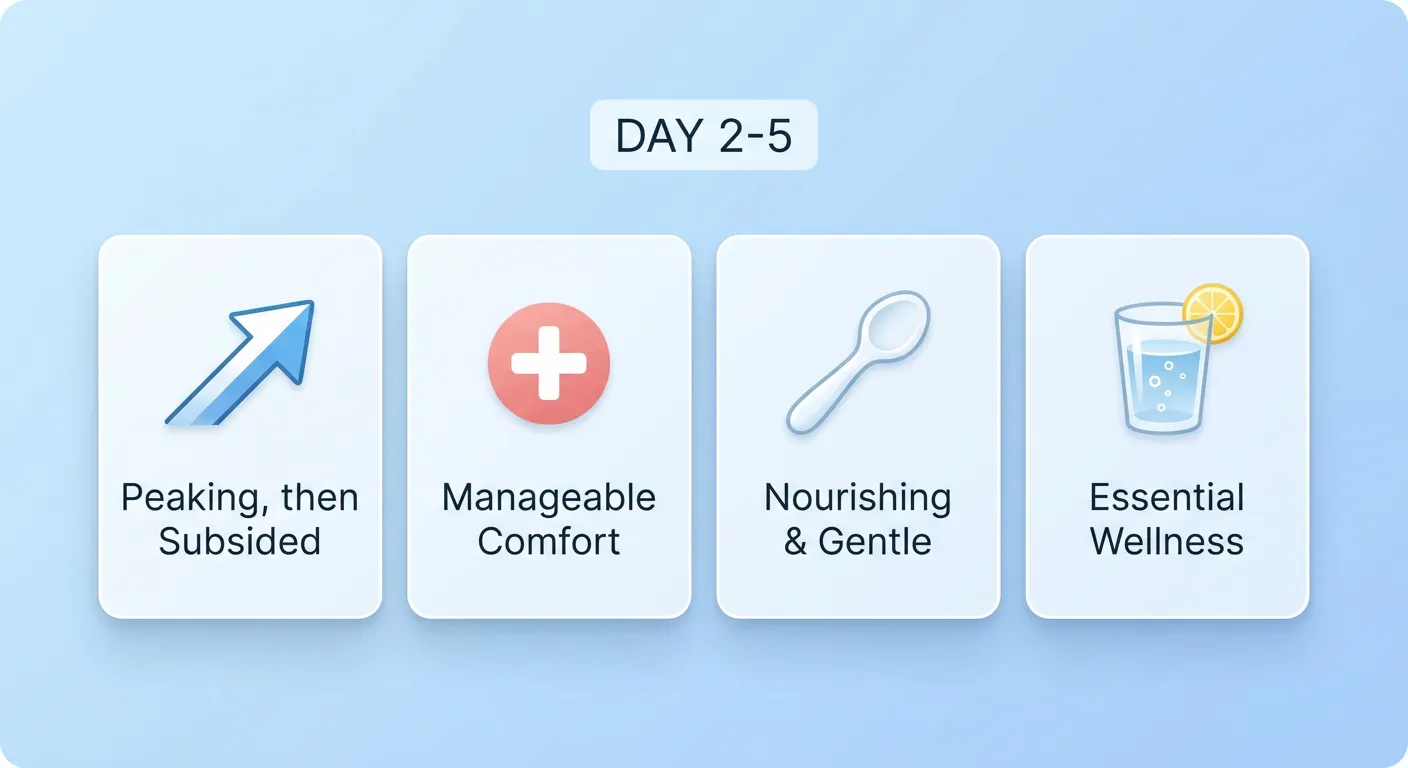
Days 2-5: Navigating Pain, Swelling, and Diet

By day two, Elara was still feeling the effects of the surgery, but the initial grogginess had lifted. Swelling was usually at its peak around day two or three, and Elara found this to be true for her, making her jaw feel quite stiff. Managing pain and swelling effectively was her primary focus during this crucial period. She regularly took her medication and continued using ice packs to help reduce inflammation.

Mashed potatoes, yogurt, and blended soups became her best friends. "Staying hydrated is just as important as eating soft foods," Dr. Arzegar’s team had stressed, so Elara continuously sipped water and non-acidic juices. Avoiding crunchy, chewy, or hot foods was essential to prevent irritating the sensitive extraction sites and ensure proper healing.

This phase required patience. Elara realized that while she wasn't in severe pain, the constant mild ache and limited jaw movement meant she still needed to take it easy. Light walks were fine, but strenuous activities were definitely out. She recognized that rushing her recovery could set her back, so she embraced the slow pace.

Clarity, Comfort, Confidence

Elara’s journey from discomfort to relief taught her the value of clear information and compassionate care. If you're pondering wisdom tooth removal, imagine the peace of mind that comes with a personalized plan for your recovery. Take the first step toward understanding your best path forward.

Week 1: Gradual Improvement and Return to Routine

By the end of the first week, Elara felt a significant shift. The swelling had visibly decreased, and the discomfort was much less pronounced, allowing her to rely less on pain medication. "Most patients start feeling much better by day 7," Dr. Arzegar had predicted, and Elara found this to be accurate. She could open her mouth wider, and speaking felt more natural.

She began to introduce slightly more varied soft foods into her diet, transitioning from purees to things like soft pasta and scrambled eggs. While still being cautious, she felt more energized and ready to resume some of her lighter daily activities. She even managed to reply to a few work emails, a small victory in her recovery journey.

The instructions to gently rinse with warm salt water a few times a day became a comfortable routine. This helped keep the extraction sites clean and promoted healing. Elara was relieved to see steady progress, understanding that while full healing would take longer, the worst of the acute recovery was behind her.

Weeks 2-4: The Road to Full Healing

As Elara entered the second week, she felt almost back to her normal self for most everyday tasks. The pain was virtually gone, and the tenderness around the extraction sites had subsided considerably. "The bone and gum tissue will continue to heal and remodel over the next few weeks," Dr. Arzegar explained during her follow-up call. This was a deeper, less noticeable part of the recovery process.

During this period, she gradually reintroduced more solids into her diet, still avoiding anything that required excessive chewing or could get stuck in the sockets. She remembered to always chew on the opposite side of her mouth from the extraction sites. "Patience with food choices is key to preventing complications," was a piece of advice that stuck with her.

While she felt good enough for most activities, including returning to work part-time, strenuous exercise was still on hold for a little longer. Any activity that could increase blood pressure or dislodge the healing clots was to be avoided. This phase was about letting her body fully repair itself beneath the surface.

Beyond a Month: Complete Jaw Healing

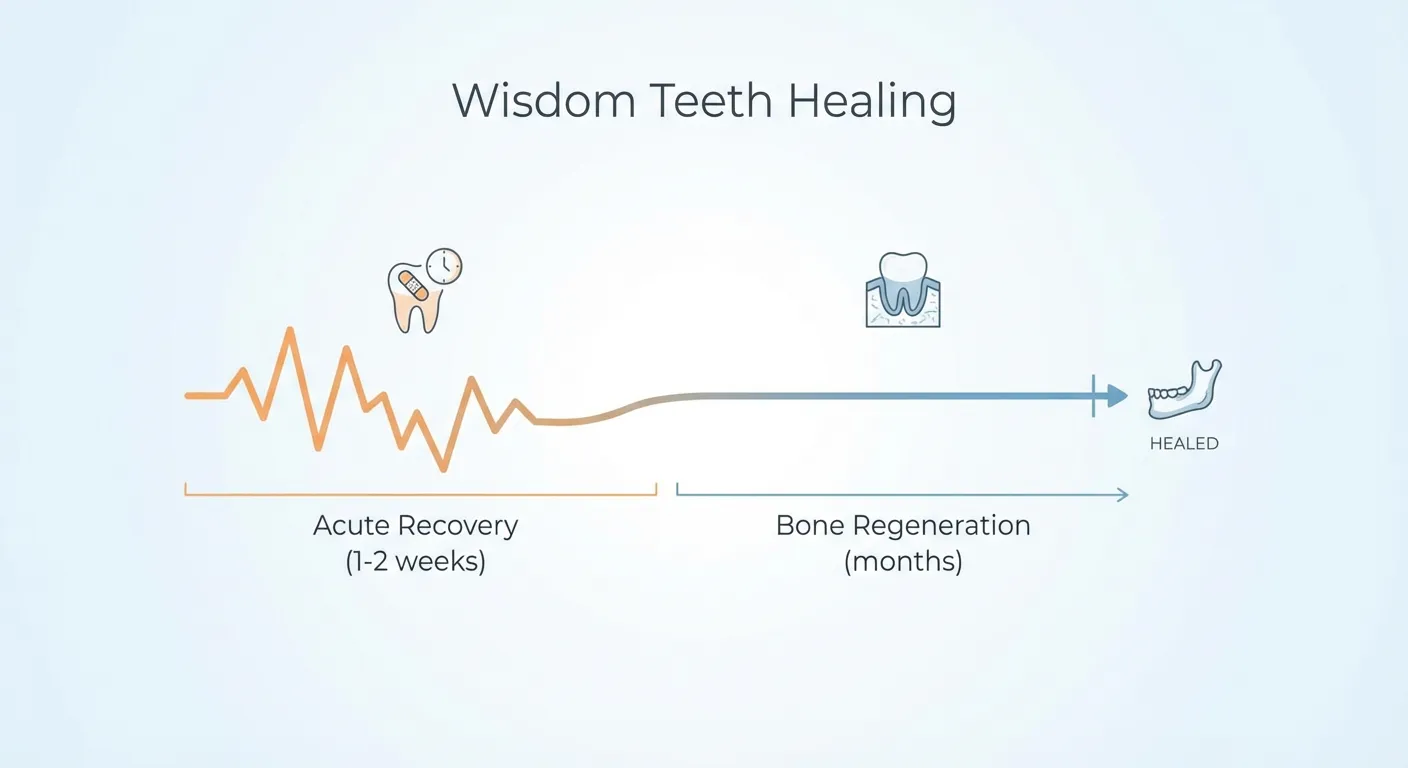
By the one-month mark, Elara felt completely recovered. She could eat anything she wanted, engage in all her usual activities, and felt no lingering discomfort. The initial question of "How long does wisdom teeth recovery take?" had been answered through her own experience. While the acute pain and swelling subsided within a week, the underlying bone and gum tissue continued to mend for several more weeks.

Our team explained that while most people feel great after two to four weeks, complete bone regeneration can take several months. However, this deeper healing process typically occurs without any noticeable symptoms or restrictions for the patient. It's an internal process that ensures the jawbone fully fills where the wisdom teeth once were.

Elara reflected on her experience, realizing that the overall wisdom teeth recovery journey was much smoother than her initial fears suggested, thanks to thorough preparation, diligent aftercare, and the expertise of Dr. Arzegar and his team. She was glad she dealt with the problem proactively, preventing future dental complications.

Understanding the "Why" Behind Wisdom Tooth Removal

During her consultation, Dr. Arzegar patiently explained why Elara's wisdom teeth, also known as third molars, needed to come out. "Your mouth simply doesn't have enough room for them," he stated gently, pointing to her X-rays. They were impacted, meaning they were trapped beneath her gum line, pushing against her other teeth. This crowding could lead to a host of problems.

Dr. Arzegar detailed the potential complications if left untreated: severe pain, infection, damage to her adjacent molars, and even the formation of cysts. "Early intervention is key to preventing more serious issues down the road," he emphasized, putting Elara's mind at ease about the necessity of the procedure. He assured her that removing them now would save her much greater discomfort and expense in the future.

Elara learned that her situation was quite common. Most adults, around the ages of 17 to 25, experience some issue with their wisdom teeth. "It's a very routine procedure for us," Dr. Arzegar said, explaining the different techniques he might use, whether it was a simple extraction or a slightly more complex surgical removal, depending on the impaction. This initial clarity was truly empowering.

Frequently Asked Questions

1. Q1: How long will I be off work/school after wisdom teeth removal?
A1: Most patients can return to light activities and desk work within 2-3 days. If your job involves heavy physical exertion, we might recommend taking a full week off to allow for proper healing and prevent complications. We'll give you personalized advice based on your specific case.

2. Q2: Will wisdom teeth removal be painful?
A2: We take every measure to ensure your comfort during the procedure with various sedation options. Afterwards, you'll experience some discomfort, but this is typically well-managed with prescribed pain medication and over-the-counter pain relievers. Most patients report it being manageable rather than severe.

3. Q3: Can I eat normally right after the surgery?
A3: For the first few days, you'll need to stick to soft foods like yogurt, mashed potatoes, and soups. Gradually, you can introduce more solid foods as you feel comfortable, usually within 1-2 weeks. We'll provide detailed dietary guidelines to ensure a smooth recovery.

4. Q4: Will my insurance cover wisdom teeth removal?
A4: Most dental insurance plans provide some coverage for wisdom teeth extractions, especially if they are impacted or causing problems. We recommend contacting your insurance provider directly, and our office team is always happy to help you understand your benefits and submit claims.

5. Q5: What is a dry socket, and how can I avoid it?
A5: A dry socket occurs when the blood clot that forms in the extraction site either dislodges or dissolves prematurely, exposing the bone. It can be quite painful. To avoid it, don't use straws, avoid smoking, don't spit forcefully, and follow all post-operative instructions carefully, especially wound care.

6. Q6: When can I start exercising again?
A6: We generally advise avoiding strenuous exercise, heavy lifting, and activities that increase blood pressure for at least 5-7 days after surgery. This helps prevent bleeding, swelling, and the dislodgement of blood clots. Listen to your body and ease back into your routine.

Related Blog Posts

Stay Informed with Expert Insights & Tips About Dental Care

What Can Help With A Toothache When Nothing Seems To Work

Wondering what can help with a toothache when home remedies fail? Follow one patient’s journey from restless nights to real relief and learn when it is time to seek professional care.

2.10.2026
READ MORE

Removing A Popcorn Kernel From Your Gums: When It’s Tricky

That tiny popcorn kernel might seem harmless, until it is not. Here is how a small annoyance can turn into a real dental emergency, and when getting help makes all the difference.

1.8.2026
READ MORE

That Tiny Popcorn Kernel Might Be a Bigger Problem Than You Think

Think it’s just a popcorn kernel? Think again. This holiday story shows how one small issue almost turned into a major emergency—and how acting fast saved more than just a smile.

12.11.2025
READ MORE
Front exterior of Lifetime Smiles Adult & Pediatric Dentistry clinic with visible signage, glass entrance doors, and a white and navy building facade on a sunny day.

Now Accepting New Patients

+1 (512) 900-2384 info@atxdentistry.com
2100 W William Cannon Dr, Austin, TX 78745

Business Hours

Monday 8 AM–4 PM
Tuesday 9 AM–4 PM
Wednesday 8 AM–4 PM
Thursday 9 AM–4 PM
Friday 8 AM–2 PM
Saturday Closed
Sunday Closed
+1 (512) 900-2384

Book an Appointment

Thank you! Your submission has been received!
Oops! Something went wrong while submitting the form.

We Accept All Major Insurances