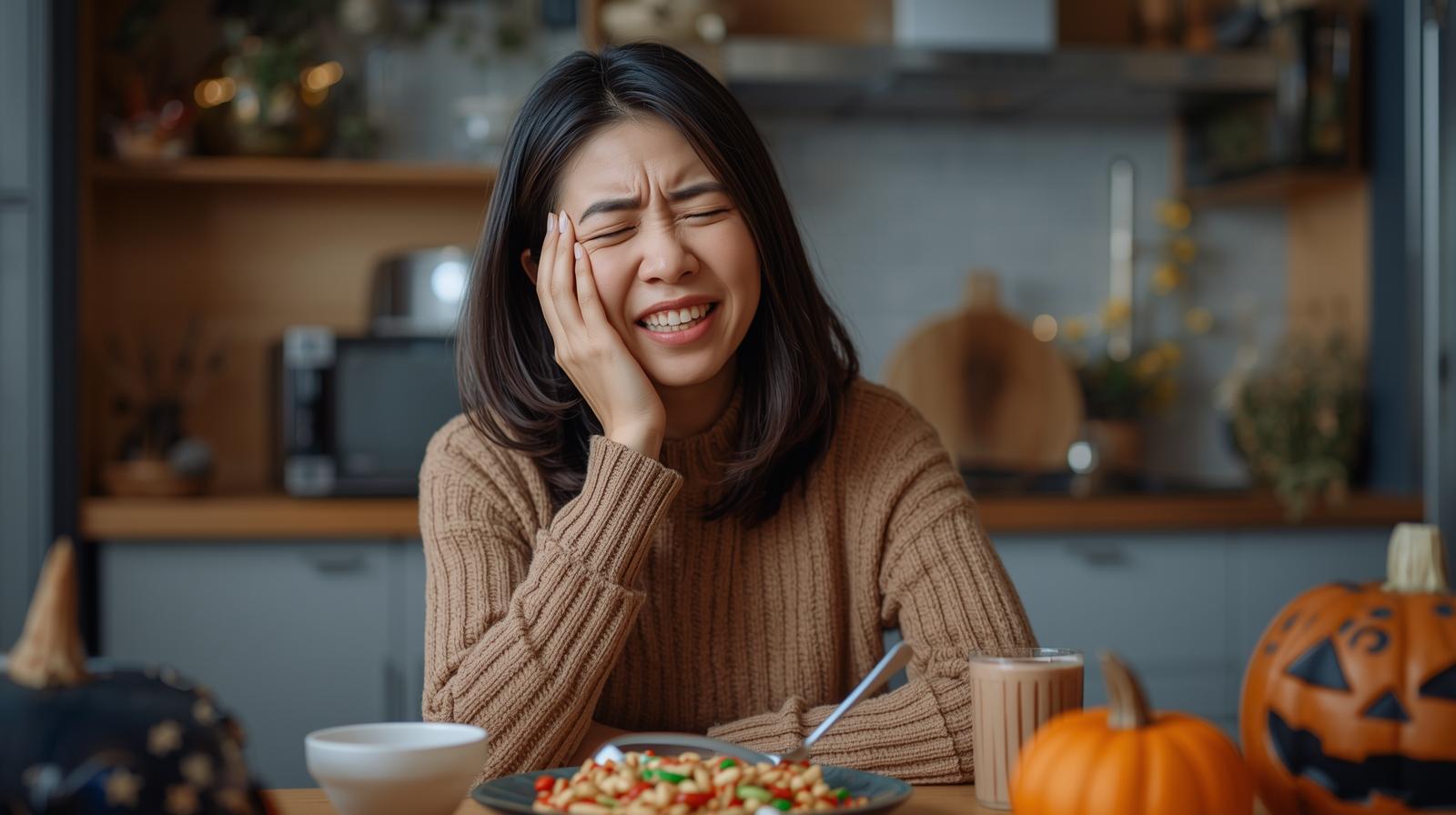
When Lily’s Tooth Started to Ache
Lily loved Halloween. Every year, she and her two kids made a big deal of it—handmade costumes, neighborhood block parties in South Austin, and, of course, the epic candy haul that filled the kitchen counter for days. It wasn’t just a night of trick-or-treating; it was a family tradition that marked the start of fall.
But last November, while sneaking a caramel chew from her kids’ stash, Lily felt a sudden, sharp pain shoot through her molar. She laughed it off at first, thinking she’d “just bitten wrong.” By the next morning, the ache lingered. Hot coffee made her wince, and chewing on that side of her mouth was uncomfortable. Still, she brushed it aside—after all, who has time to see the dentist over one little twinge?
.png)
A week later, Lily found herself clutching her jaw at her desk, the dull ache now throbbing every time she took a sip of water. When she finally called our office, she admitted sheepishly, “I knew I overdid it this Halloween. I just didn’t think it would catch up so fast.”
Her story isn’t unique. Every October and November, we see dozens of Austin patients with the same confession: “I thought a little candy wouldn’t hurt.” But what many people don’t realize is how Halloween treats can set off a chain reaction that affects your smile long after the decorations come down.
Why Halloween Candy Hits Harder Than You Think
Most of us know that sugar isn’t great for our teeth, but few understand exactly why Halloween candy is such a culprit. It’s not just the sugar—it’s the frequency and texture of those sweets that make the difference.
Here’s how it happens:
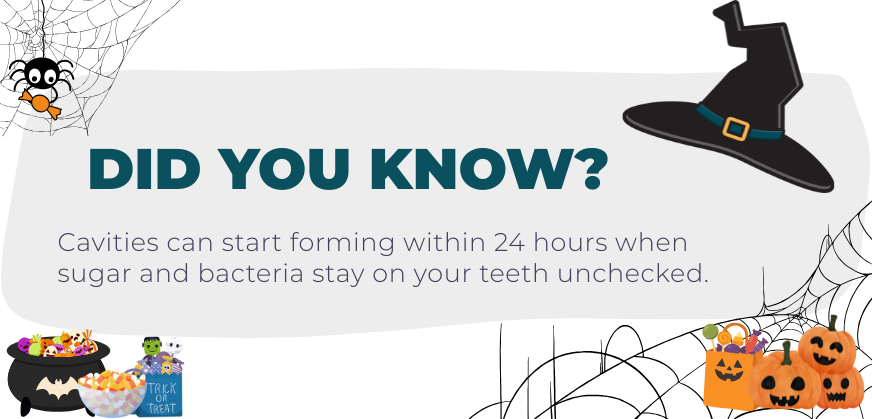
Every time you eat sugar, the bacteria in your mouth feed on it and produce acid. That acid weakens your enamel, creating small openings where decay can begin. Normally, saliva helps neutralize those acids and repair early damage, but when you’re snacking on candy throughout the day—or over multiple nights—your teeth never get the chance to recover.
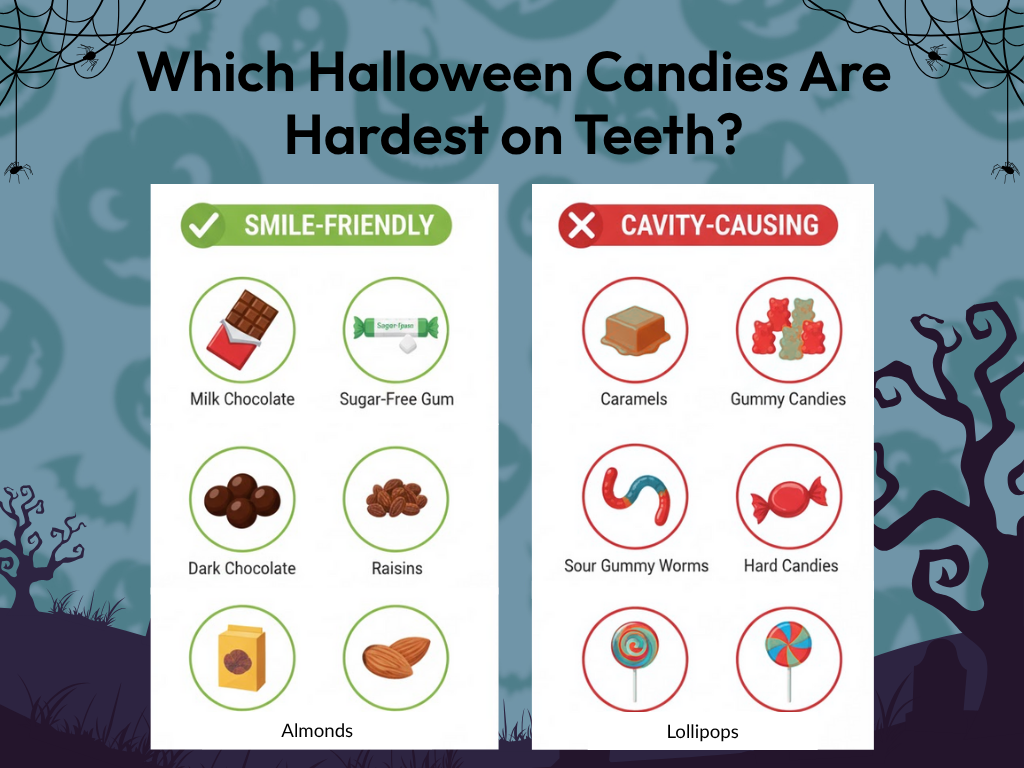
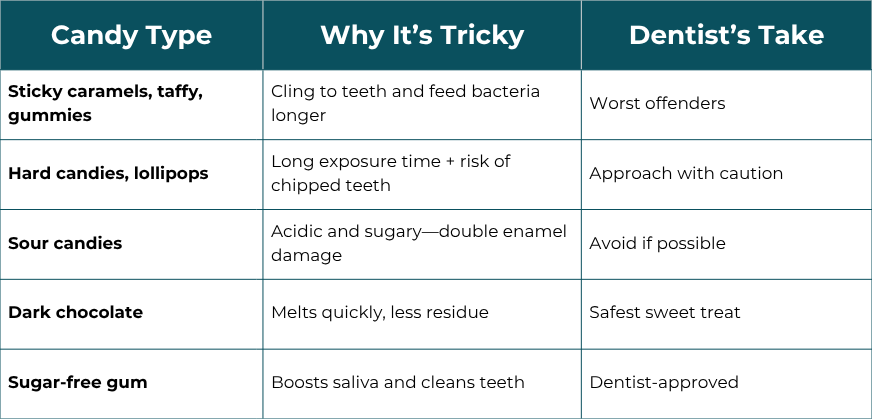
Sticky or hard candies (like taffy, gummies, and lollipops) are especially harmful. They stay on your teeth for long stretches, keeping the bacteria fueled and active. Sour candies take it up a notch with acid that softens enamel even before sugar enters the picture.
Dr. Arzegar often compares it to leaving a puddle of lemonade on a marble countertop: “It doesn’t destroy it instantly—but give it enough time, and the damage becomes permanent.”
What Surprised Lily at Her Visit
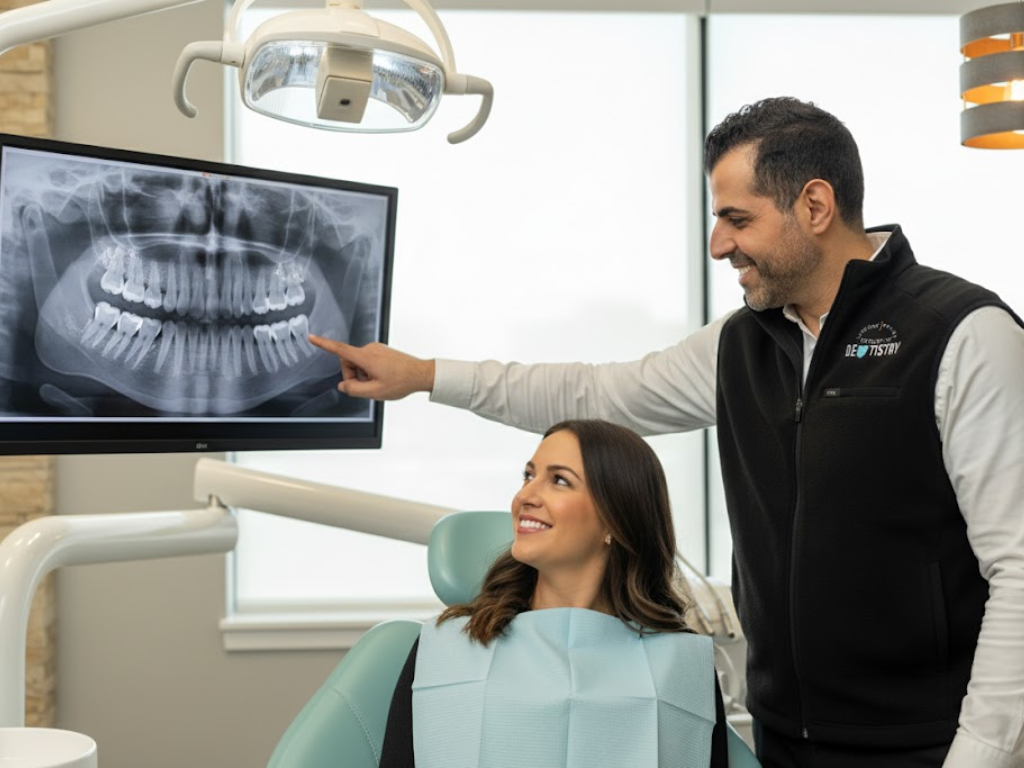
When Lily finally came in for an exam, her X-rays showed the start of a small cavity between her molars. The culprit? Those chewy caramels she loved—and a few too many nights of skipping flossing after trick-or-treating with her kids.
She braced herself for bad news, but Dr. Arzegar smiled and reassured her: “We caught it early, which is good. The goal isn’t to avoid candy forever—it’s to enjoy it smartly.”
That line surprised her. She had expected a lecture. Instead, she got a plan: how to protect her teeth without giving up the fun.
Here’s the same advice we give every Halloween season:
- Time your treats wisely. Eat candy right after meals, not throughout the day. Saliva levels are highest during meals and help wash sugar away faster.
- Rinse with water or chew sugar-free gum. It’s a quick, easy way to neutralize acid after sweets.
- Don’t snack all night. Prolonged sugar exposure keeps your enamel under constant attack.
- Choose your sweets smartly. Chocolate melts away quickly, while sticky and sour candies linger and cause more harm.
The Candy That Loves Your Dentist (and the Ones That Don’t)
What Parents Often Ask Us Around Halloween
Every October, we get the same questions from parents across Austin: “How can I let my kids enjoy Halloween without wrecking their teeth?”
Our answer is simple: make candy part of the celebration, not the routine. It’s not about banning sweets; it’s about boundaries.
Let kids pick a few of their favorite treats after trick-or-treating and save the rest for designated “treat times.” Encourage them to drink water between candies and brush before bed, even if they’re tired from the festivities. These small, realistic habits can make a huge difference.
We also tell parents to look for teachable moments. Let your child see that taking care of teeth after candy is part of the fun—just like sorting through the candy pile or trading treats with friends.
Dr. Arzegar often puts it best: “Halloween shouldn’t come with guilt. It’s about balance—a little sugar, a lot of brushing, and plenty of smiles.”